Water Damage Restoration in Kirkland, WA
Kirkland homes meet water from roof and road runoff, side sewer backups, supply pipe failures and storm damage. Crews extract the water, open the wet cavities and dry the structure with readings an adjuster can follow.
(888) 509-1696Talk to a Kirkland drying crew- 24/7 dispatch
- Condo and house drying
- Moss Bay to Finn Hill
Crews dispatch around the clock for Kirkland, from Totem Lake to Moss Bay.
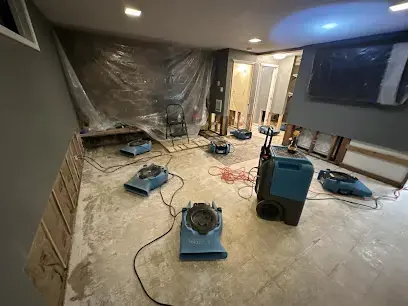
Steps to take while the water is still moving
- 1
Shut the water off
Close the fixture valve or the main shutoff, then switch off breakers for any room where water is near outlets or lights.
- 2
Lift what you can
Move rugs, small furniture and electronics onto dry surfaces, and pull wet cushions off couches so they stop absorbing.
- 3
Alert nearby units
In a condo or townhome, tell the units below and beside you right away, because water follows framing and pipes.
- 4
Photograph everything
Take wide and close photos of the source, the damage and wet belongings before anything is moved or thrown out.
- 5
Request drying
Ask for a drying crew before the surfaces dry on their own and leave moisture inside the walls, so extraction starts while it still helps.
Twelve water services for Kirkland homes
Each service page covers one kind of loss, from a soaked crawl space to a washer that overflowed upstairs, with Kirkland details.
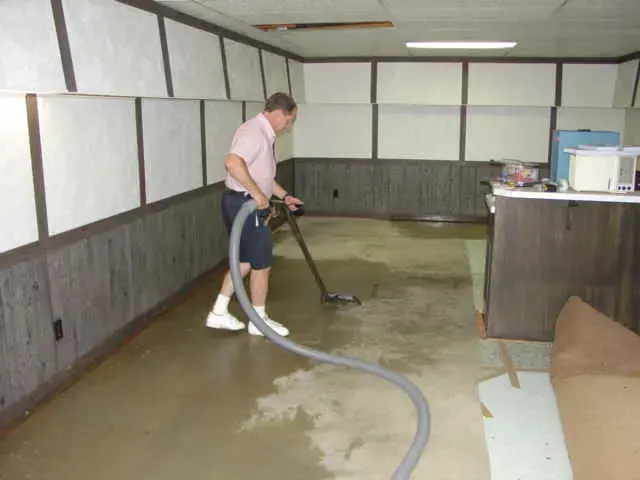
Water Extraction and Removal
Pumps and extractors clear standing water before it climbs into pad and baseboards.
See the service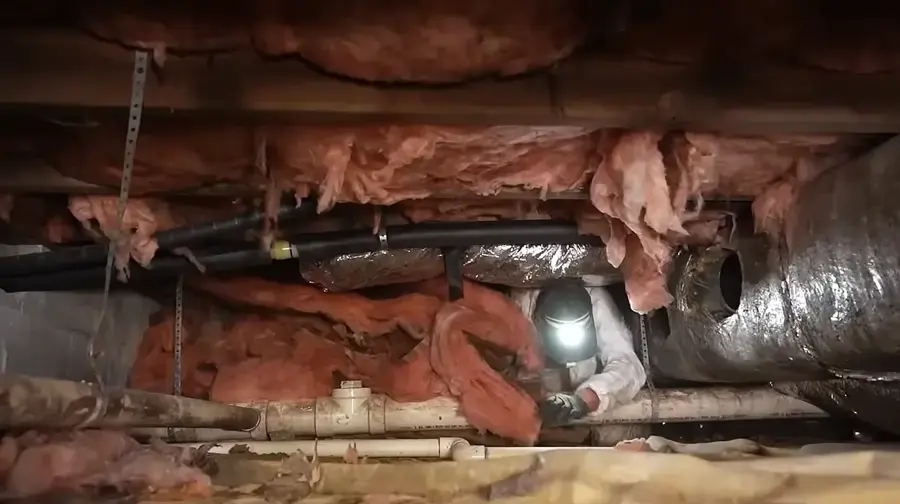
Crawl Space Water Damage
Standing water and soaked insulation come out from under the floor, then framing is dried.
See the service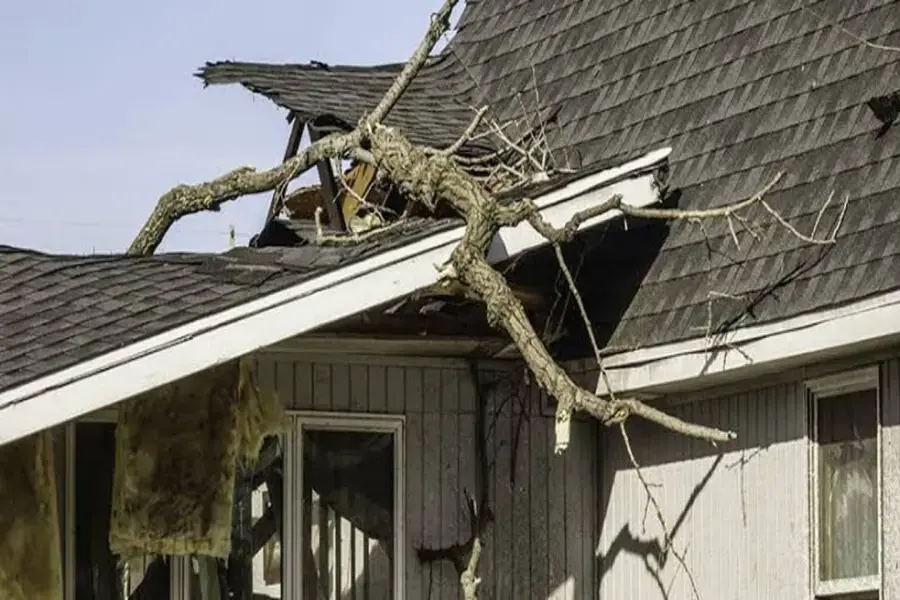
Roof Leak Water Damage
Rain through a storm opening is traced from the attic down and dried.
See the service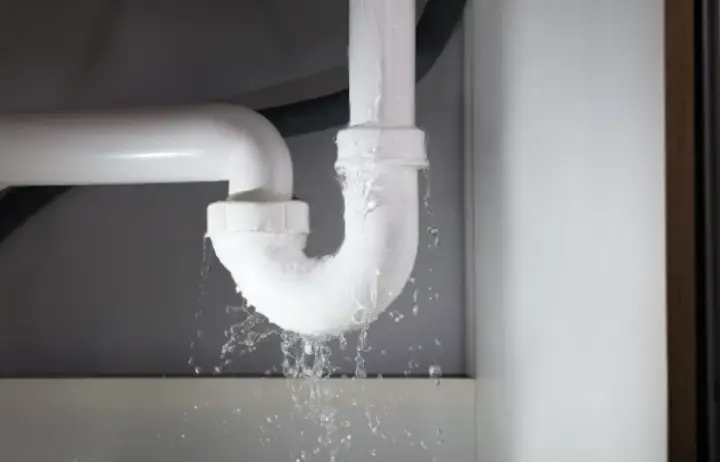
Burst Pipe Water Damage
Burst supply pipes mean fast extraction, flood cuts and drying of floors and ceilings.
See the service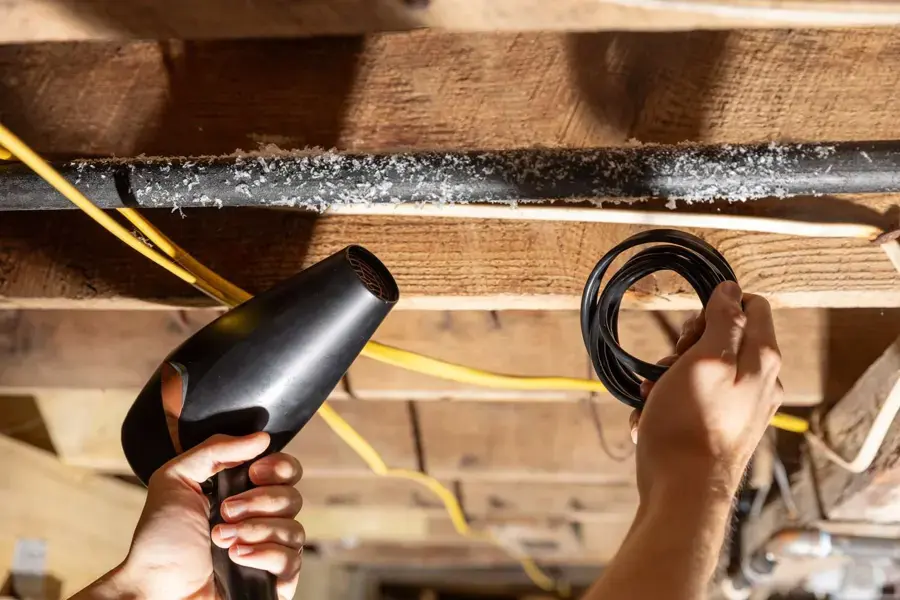
Frozen Pipe Water Damage
Freeze splits in exposed pipes leave wet walls and ceilings that need opening and drying.
See the service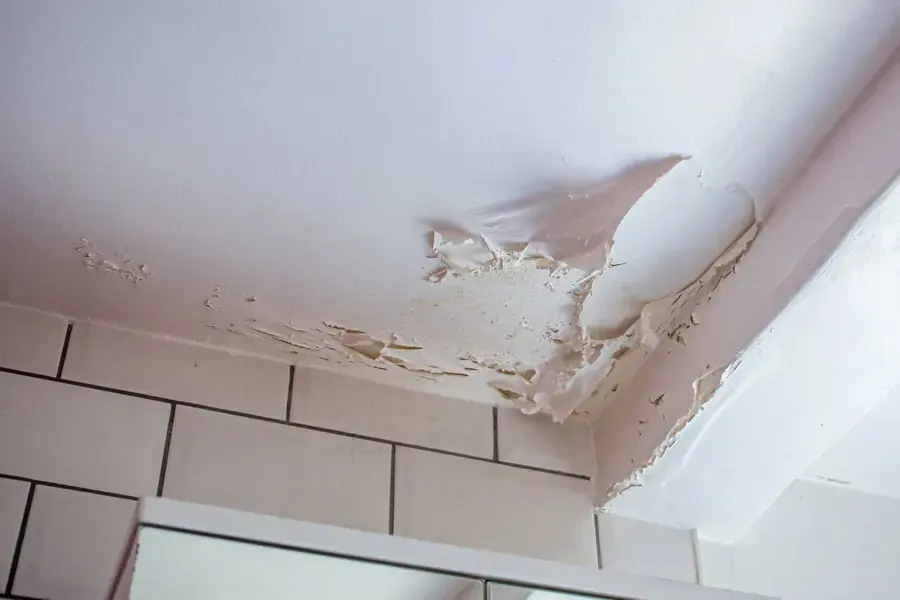
Ceiling Leak Water Damage
Leaks from the unit above are traced, and the soaked ceiling is dried or removed.
See the service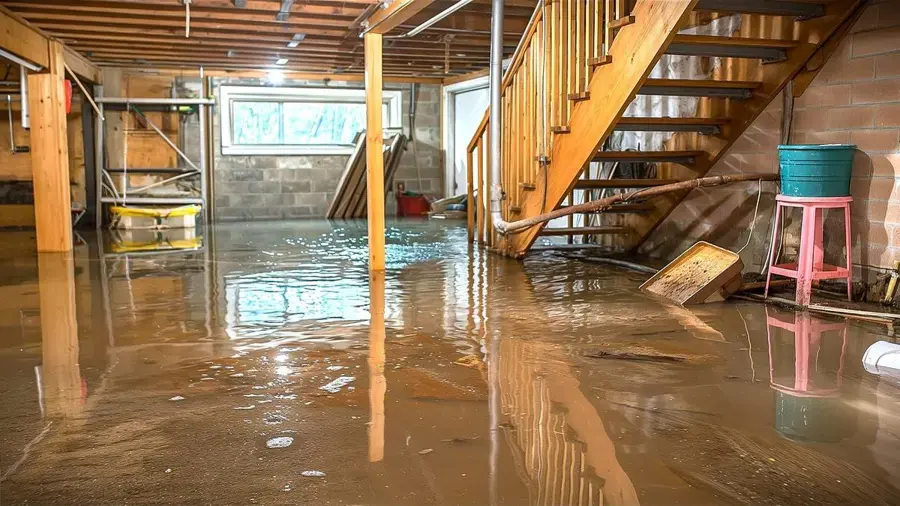
Basement Water Damage
Groundwater and runoff in lower levels are pumped out, then slabs and walls are dried.
See the service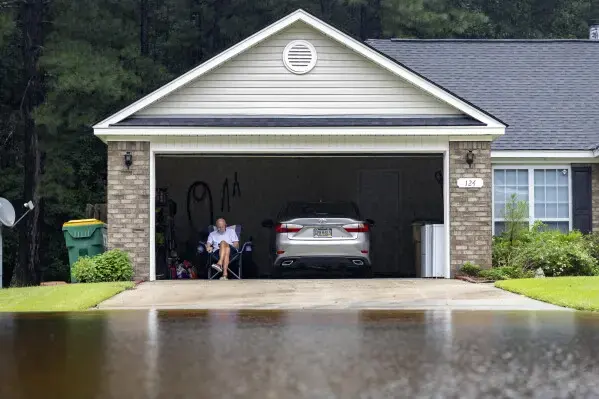
Storm and Runoff Flood Cleanup
Runoff from roofs, roads and overwhelmed drains is extracted and the rooms cleaned.
See the service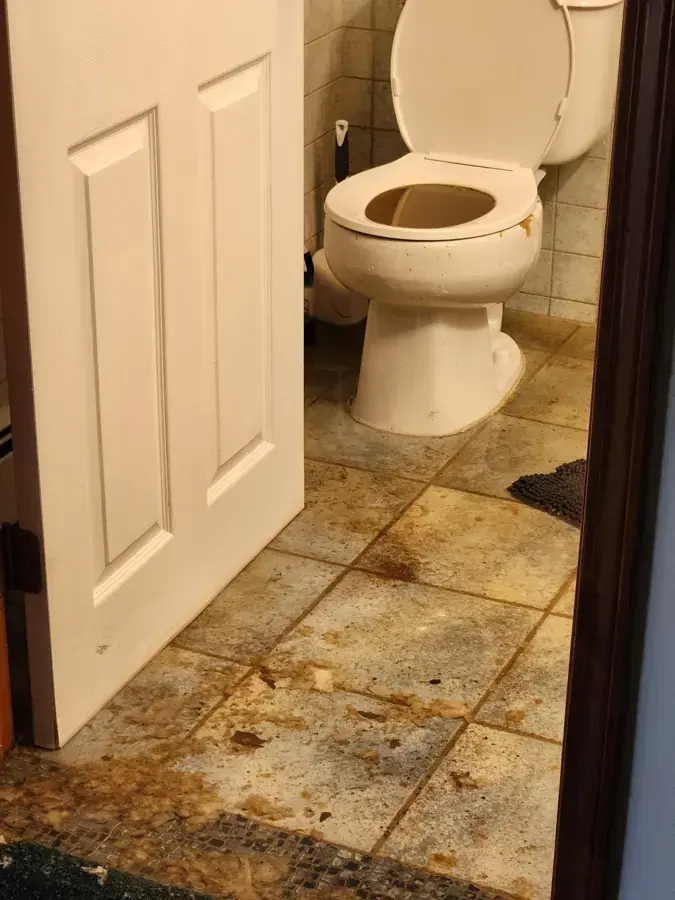
Sewage Backup Cleanup
Side sewer backups are contained, removed and sanitized under Category 3 handling.
See the service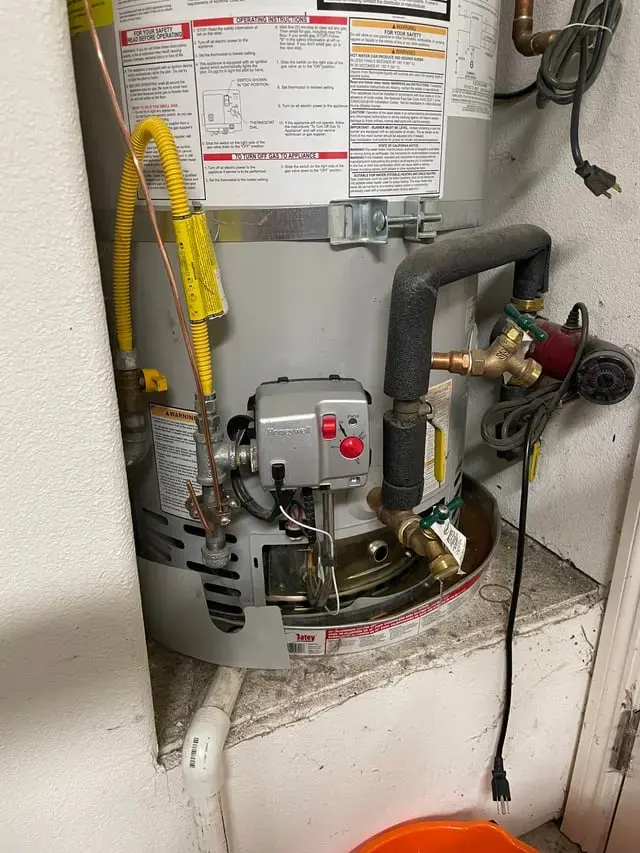
Water Heater Leak Cleanup
A failed tank soaks a closet or garage, so water comes out and walls are dried.
See the service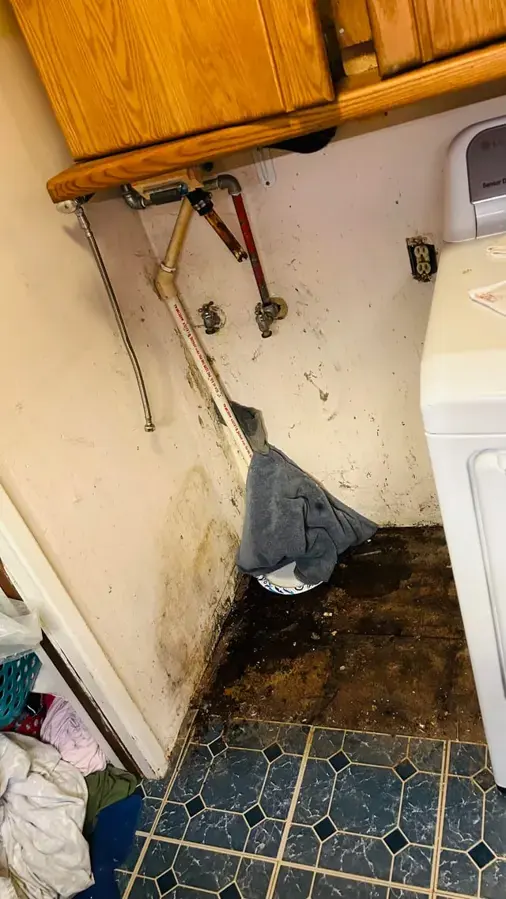
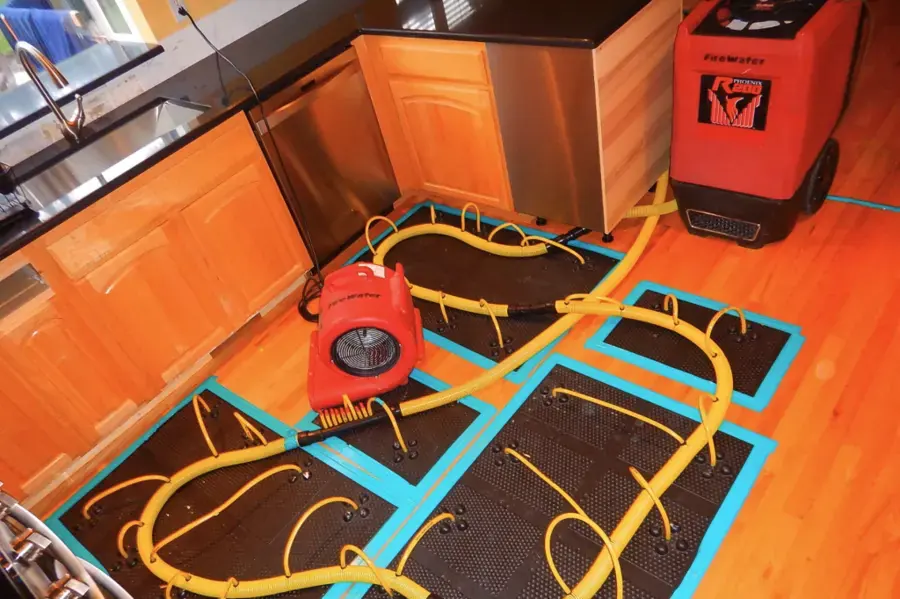
Appliance Leak Water Damage
Washer, dishwasher and refrigerator leaks are dried out of cabinets and floors.
See the service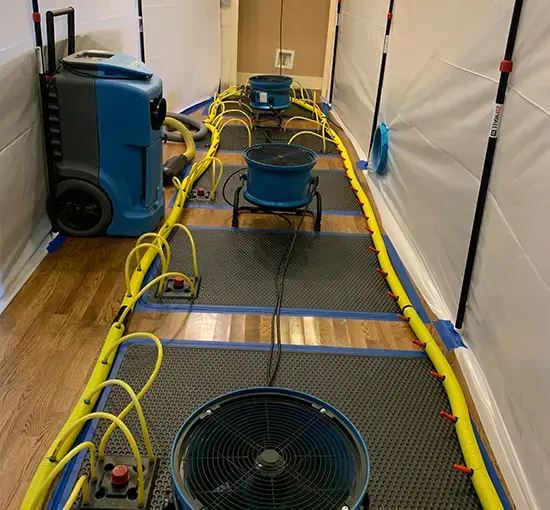
Structural Drying and Dehumidification
Air movers, LGR dehumidifiers and meters bring wet framing back to a dry standard.
See the serviceWhat water damage cleanup costs in Kirkland
Most Kirkland jobs land between $1,200 and $35,000, depending on how many rooms are wet, how long the water sat and whether it is clean, gray or black water.
A moisture inspection sets the real number, since hidden wet framing changes the scope. These ranges cover typical single-home losses and are not a quote for your property.
A room or two, clean source
$1,200 to $4,500
- Extraction and pad removal
- Dried in place
- Readings each visit
Several rooms or two levels
$4,500 to $12,000
- Flood cuts at baseboards
- Ceiling drying
- LGR dehumidifiers
Flooded lower level or Category 3
$12,000 to $35,000
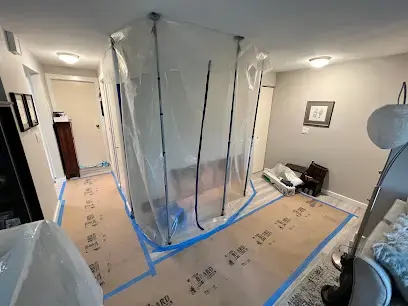
- Containment barriers
- Flooring and drywall removed
- Extended drying
Crews that know Kirkland housing and drainage
A Kirkland job can start with clay soil that holds runoff, a downtown condo with a leak coming through the ceiling, or a Finn Hill slope after a storm. Crews who work here recognize those patterns and plan the dry-out around them, with water extraction first and equipment right behind it.
Rapid local response
Dispatch is staffed day and night, so extraction can begin while the water is still spreading through the house.
IICRC S500 drying standard
Equipment is set and checked against the S500 method, with readings logged until the structure matches dry reference.
Claim-ready documentation
Photos, moisture logs and equipment records are kept so the adjuster sees what was wet and what was done.
Kirkland water know-how
Crews know the city's drainage, from piped creeks near downtown to the slopes on the northern side.
Water category decides how the job is run
Clean supply water
A burst pipe or failed fitting releases clean water, and the best result comes from drying it before it turns gray.
Burst pipe water damageGray appliance water
Washers and dishwashers release used water with soap and soil, so soaked porous materials are removed instead of dried.
Appliance leak damageBlack drain water
Sewage and outdoor floodwater carry bacteria, so the area is sealed off and porous materials come out.
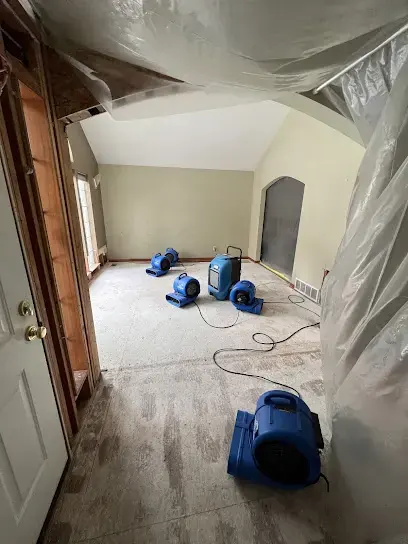
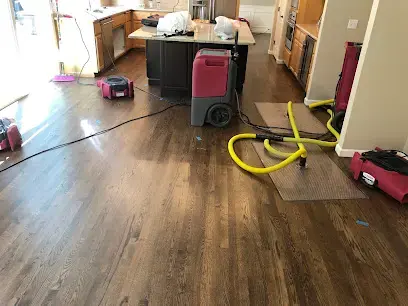
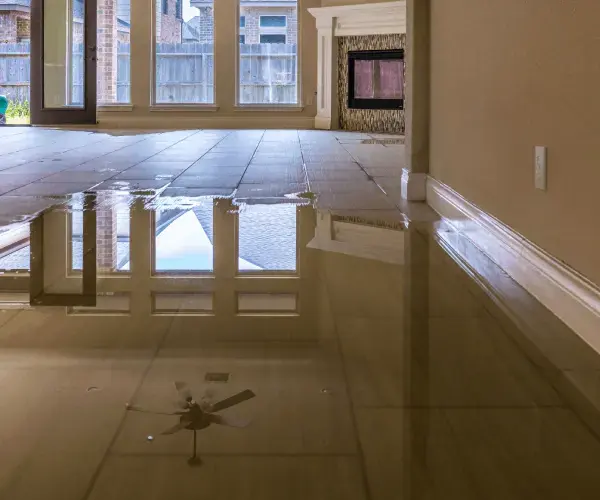
Sewage backup cleanupWhat a Kirkland drying job looks like on site
Drying that follows the IICRC S500 standard
Every job begins with dry reference readings from an unaffected room. The crew then logs temperature, humidity and moisture content each visit, so the finish line is a number instead of a guess.
- Moisture meter mapping
- LGR dehumidifiers
- Psychrometric records
Map the moisture
Meters and a thermal camera trace where the water traveled, including behind baseboards and under flooring.
Remove the water
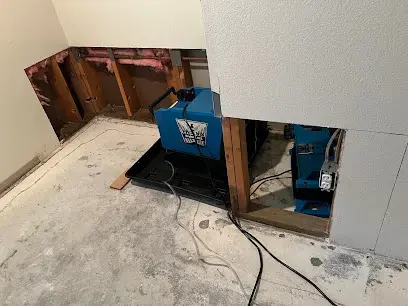
Extractors and pumps take out what is standing, and wet pad or damaged materials are cut away.
Set the equipment
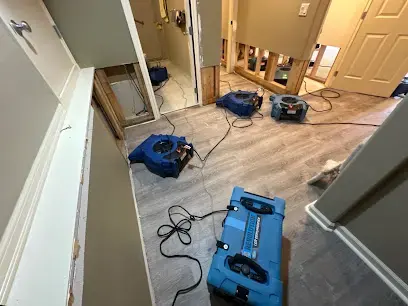
Air movers and dehumidifiers are placed to match the wet area, then rebalanced as the readings change from one visit to the next.
Prove it is dry
Final readings are compared with the dry reference from the unaffected room before any equipment is pulled from the home.
Documentation insurers can follow
Adjusters need proof of the cause, the extent and the work done, and the file is built while the job runs.
- Dated photos of the source and every affected room, taken before any cleanup begins
- Moisture readings taken before, during and after the drying period
- Equipment placement and run records written up for each visit
- An itemized list of materials removed and the reason each one came out
- A written scope of work that matches the final dry readings
Before the adjuster visits
Keep damaged items until the adjuster has seen them or approved discarding them, and save receipts for emergency repairs such as a temporary roof tarp or a plumber's shutoff.
Coverage for water differs between sudden leaks, sewer backup and outside flooding, so read the policy language or ask the carrier which category applies.
Water damage service across Kirkland neighborhoods
Kirkland neighborhoods
ZIP codes
Nearby towns
What drives water damage across Kirkland
Kirkland sits on the east shore of Lake Washington, and every storm drain in the city flows to it. Rain from roofs, roads and driveways has to travel somewhere, and sometimes that is indoors.
- Hard surfaces: City reports tie local flooding mainly to runoff from roads and rooftops, and the Moss Bay basin has the most impervious surface at 46.2 percent.
- Clay and slopes: Moss Bay, Kirkland Slope and South Juanita Slope are mostly clay that infiltrates poorly, while Finn Hill sits on glacial till with landslide risk.
- Storm drains: The city maintains over 17,000 storm drains and asks residents to clear them, check gutters and test sump pumps before storms.
- Side sewers: Owners maintain the private side sewer to the public main, so a backup often starts with an inspection of that pipe.
- Condos and apartments: Downtown and Moss Bay hold thousands of condominiums and apartments built since the 1990s, so one failed fixture can wet several units.

What should I do first when water floods a Kirkland home?
Stop the source if you can, switch off power to wet areas, lift small items and photograph the scene. Then request a drying crew so extraction starts before water soaks into the framing.
Does homeowners insurance cover water damage?
Sudden pipe and appliance leaks are commonly covered, while sewer backup and outside flooding often need separate coverage. The policy wording decides, so ask the carrier.
Who handles a water main break in Kirkland?
The utility fixes the public main, as in the August 2021 break that caused a boil water advisory. A leak inside the house is private plumbing, and a crew handles the drying.
How is drying measured?
Moisture meters compare wet materials with dry reference readings, and the crew logs humidity and temperature each visit until the numbers match.
Can wet carpet be saved?
Carpet from a clean water leak can often be dried in place if it is treated promptly. Gray or black water usually means the carpet and pad are removed.
What if the water came from the sewer?
Sewage is Category 3, so the area is contained, porous materials are removed and surfaces are sanitized. Details are on the sewage backup cleanup page. The private side sewer belongs to the owner up to the public main.
Are condos handled differently?
Water moves between units through ceilings and wall cavities, so crews trace the source and dry each affected unit while the association and neighbors are informed.
Do you handle storm runoff?
Yes, crews extract runoff that enters garages and lower levels, clean the surfaces and dry the structure. Clearing nearby drains before a storm helps the water leave the property.
How long does drying take?
It depends on the materials, the amount of water and the humidity. The crew keeps equipment running until readings return to the dry reference, not for a fixed number of days.
What does the cost depend on?
Square footage affected, water category, materials involved and the length of drying drive the price, and a moisture inspection shows what is hidden behind surfaces.
Stop the spread and start drying in Kirkland
Crews pump out the water, dry every wet cavity to the IICRC S500 standard and keep the claim file complete from the first visit through the final readings in Kirkland.
Sammamish, WA · King County · open 24/7