Basement Water Damage in Kirkland
Water in a Kirkland lower level can come from groundwater, runoff, a failed sump pump or a pipe. Crews pump the space, remove wet materials and dry the slab and walls.
(888) 509-1696Reach a basement dry-out crew- Pump-out
- Slab and wall drying
- Finished space cleanup
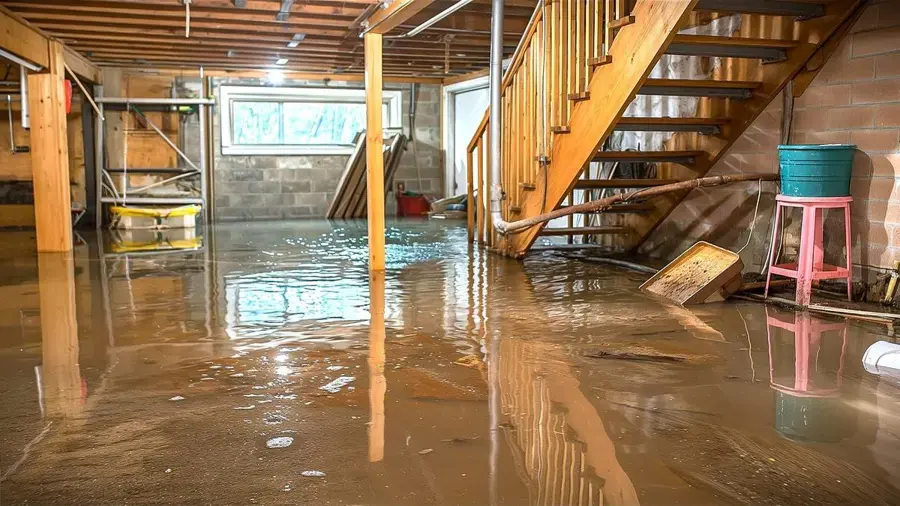
First steps for basement water damage in Kirkland
- 1
Stay off the floor
Water near outlets or a panel can be live, so keep power off.
- 2
Stop inflow
Shut the main if a pipe is the source and clear nearby drains.
- 3
Move belongings
Carry boxed items and electronics to higher ground.
- 4
Call for pump-out
Request pumping and moisture readings.
How the crew handles basement water damage in Kirkland
Lower levels collect water because everything above drains toward them. When a Kirkland home has a basement or daylight lower floor, rain, groundwater and plumbing failures all point the same direction.
Water still moving in Kirkland?
(888) 509-1696Request a pump-outWhat does basement water damage cost in Kirkland, WA?
Basement jobs in Kirkland depend on whether the space is finished, how deep the water got and whether it came from clean supply water or contaminated runoff or groundwater.
Ranges are typical, not a quote: the water category, square footage, material class and how fast drying started move the number most. Run the water damage cost calculator for a closer range.
Small or unfinished space
$2,000 to $6,000
- Water pumped out
- Concrete slab dried
- Daily meter readings
Finished level, clean water
$6,000 to $15,000
- Wet pad removed
- Baseboard flood cuts
- Cavity drying
Seepage or Category 3 water
$15,000 to $35,000
- Containment set up
- Porous finishes removed
- Long drying
How basement water damage is handled in Kirkland, step by step
Inspect
Meters read the slab, wall bases and framing.
Remove water
Pumps clear the space and wet materials come out.
Dry framing
Dehumidifiers and air movers dry slab and walls.
Verify
Slab readings are compared with dry reference.
Soil and slope
The city lists Type C sandy clay loam as its most common soil, and basins like Moss Bay and Kirkland Slope are mostly clay. Finn Hill has glacial till on its slopes, and the Houghton Slope B basin has high groundwater near the shoreline.
Which neighborhoods have basements is not confirmed, so the work simply follows the water wherever a lower level exists:
- Check for standing water and entry points
- Test the sump pump and discharge
- Read slab, wall base and framing with meters
- Sort materials by water category
Pump-out and removal
Water is pumped down in stages so pressure on walls and the slab stays balanced. Wet carpet, pad and bottom drywall are removed if they have been soaked by runoff or groundwater.
Finished walls get flood cuts to expose the cavity, and insulation inside is pulled if it is saturated.
If the water came up through a floor drain, treat it as sewage and see sewage backup cleanup. Surface water from outside is covered in water extraction.
Drying concrete takes patience
Concrete releases moisture slowly, so dehumidifiers run until slab readings match the reference. Opening the room too soon invites new damage on the new flooring.
Trade fact: A surface that feels dry can still read wet inside concrete, so a meter beats touch.
Basement water damage across Kirkland and nearby towns
Basement crews cover lower levels and daylight floors across Kirkland, from the Finn Hill slopes and Holmes Point to Central Houghton and Kingsgate, in ZIP codes 98033, 98034 and 98083.
The same service nearby: basement water damage in Sammamish, Redmond, Bellevue.
Related water damage services in Kirkland
Is basement water usually clean?
Not always. Plumbing leaks start clean, but groundwater and runoff carry soil and bacteria and are handled as contaminated.
How is a sump pump checked?
The crew confirms the pump runs, the float works and the discharge sends water away from the foundation.
Will finished walls need cutting?
Often yes. Flood cuts expose the wall cavity, and wet insulation behind them is removed so the framing can dry.
Why does the slab stay wet so long?
Concrete holds moisture and releases it slowly, so dehumidifiers run until slab readings match the dry reference.
Can I run a fan and wait?
A household fan moves surface air but rarely dries concrete or wall bases, and damp materials can stay wet.
Does insurance cover groundwater?
Seepage and outside flooding are often excluded from standard coverage, while sudden plumbing leaks are usually covered. Check the policy.
Pump it, dry it, document it
Crews pump the space, remove wet materials and dry slab and walls while building the claim record.
Sammamish, WA · King County · open 24/7