Water Extraction in Kirkland, WA
Kirkland floors soak fast when runoff or a plumbing failure floods a room. Extractors and pumps pull the water out first, then moisture readings show what still needs drying.
(888) 509-1696Reach a Kirkland extraction crew- Wand and pump extraction
- Moisture mapping
- Pad and baseboard checks
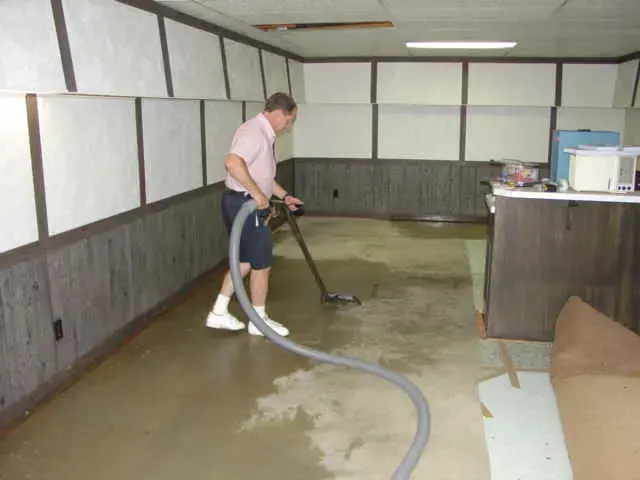
First steps for water extraction and removal in Kirkland
- 1
Stop the source
Shut the fixture valve or the main so more water stops arriving.
- 2
Keep power off
Leave breakers off for wet rooms and do not run household appliances nearby.
- 3
Lift small items
Raise furniture onto blocks and move paper and electronics to dry shelves.
- 4
Request extraction
Ask for a crew before pad and baseboards soak through.
How the crew handles water extraction and removal in Kirkland
Extraction is the first physical step on nearly every Kirkland water job. The sooner standing water leaves the floor, the less of it climbs into pad, baseboards and the bottom of the walls.
Water still moving in Kirkland?
(888) 509-1696Talk to extraction dispatchWhat does water extraction and removal cost in Kirkland, WA?
Extraction is the smallest slice of most Kirkland water jobs. The final cost rises with the number of rooms, the depth of the water and whether the source was clean or contaminated.
Ranges are typical, not a quote: the water category, square footage, material class and how fast drying started move the number most. Run the water damage cost calculator for a closer range.
A room or two, clean water
$1,200 to $4,500
- Carpet and pad extraction
- Dried in place
- Readings each visit
Several rooms or two levels
$4,500 to $12,000
- Pad lifted, baseboards checked
- Crawl space pump-out
- Dehumidifiers running
Category 3 or a flooded lower level
$12,000 to $35,000
- Containment barriers
- Flooring and drywall out
- Extended drying
How water extraction and removal is handled in Kirkland, step by step
Inspect
Meters and a thermal camera map where the water traveled.
Remove water
Extractors and pumps clear surfaces, then wet pad is lifted.
Dry framing
Air movers and dehumidifiers work on cavities and subfloor.
Verify
Readings are compared with dry reference before equipment leaves.
Why surface water comes first in Kirkland
Much of the city sits on clay and fine soils that infiltrate poorly, and the Moss Bay basin carries the most impervious surface at 46.2 percent. Rain and plumbing water tend to stay on the surface and inside the house instead of soaking away. Heavier rain events are covered under storm flood cleanup.
Crews bring tools matched to the surface being cleared:
- Wand extractors for carpet and pad
- Submersible pumps for deep standing water
- Squeegee tools for tile and hardwood
- Moisture meters to find what stayed wet
What gets removed and what stays
Clean water caught early usually lets carpet and hard floors stay in place, with the pad lifted or pulled depending on how long it sat. Water that has crossed into gray or black territory changes that, and soaked porous materials come out.
Wall cavities are checked next, since water wicks upward behind baseboards faster than it looks from the room.
After the water is gone
Extraction does not finish the job. Air movers and dehumidifiers take over, and the crew keeps measuring until wood, drywall and subfloor read dry. For the full drying method see structural drying.
Trade fact: A wet vacuum from a hardware store pulls surface water but cannot reach what sits under pad, so moisture often stays behind.
Water extraction and removal across Kirkland and nearby towns
Extraction crews work homes and condos across Kirkland, from Totem Lake and Juanita through Houghton, Moss Bay and Finn Hill, and every address in ZIP codes 98033, 98034 and 98083 is served.
The same service nearby: water extraction and removal in Sammamish, Redmond, Bellevue.
Related water damage services in Kirkland
How fast does extraction need to start?
As soon as possible, since pad and baseboards begin absorbing within the first stretch of standing water. Earlier extraction usually keeps more flooring in place.
Can I use a shop vac myself?
A shop vac can lift some surface water, but it leaves moisture under pad and in wall bottoms. A crew finds that with meters before it causes damage.
Is extracted water ever dumped outside?
No. Water from a contaminated source is handled as Category 3 waste, and clean water is still kept away from foundations and neighbors.
Will my carpet be thrown out?
Not always. Clean water caught early can leave carpet in place with the pad removed, while gray or black water means the carpet goes too.
Does extraction work in a condo?
Yes, with extra care for units below and beside, since water moves through ceilings and wall cavities. The crew traces it and dries each affected area.
What comes after extraction?
Drying equipment, moisture readings and, if needed, removal of damaged materials. The job ends only when readings match dry reference.
Get the water out before it spreads
Crews extract the water, set drying equipment and record readings and photos for the claim, around the clock.
Sammamish, WA · King County · open 24/7