Water Damage Help in Issaquah
When Issaquah Creek spills into the valley or a pipe splits behind a wall, the first job is stopping the water and pulling it out, then drying the structure until moisture readings return to normal in every affected room.
(888) 509-1696Get Issaquah water help- 24/7 dispatch
- Creek flood and pipe response
- IICRC S500 drying logs
Serving Issaquah Valley, Olde Town, Issaquah Highlands and nearby neighborhoods.
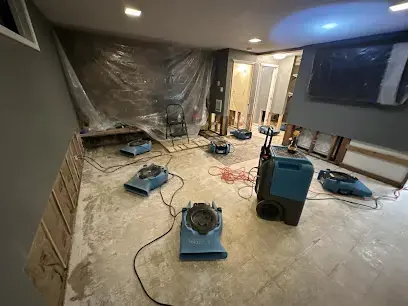
Steps to take while the water is still moving
- 1
Shut off the water
Find the main valve and close it. If a pipe or water heater is the source, stopping the flow limits how far the damage travels through floors and walls.
- 2
Cut power near water
Switch off breakers for wet rooms and keep away from outlets and appliances sitting in standing water until the area is confirmed safe.
- 3
Check the rooms below
Look at ceilings under bathrooms, laundry rooms and apartments for stains, sagging or drips, since water travels downward and sideways before it shows.
- 4
Photograph everything
Take photos and video of the source and the wet belongings before anything is moved, and keep damaged items for the adjuster.
- 5
Bring in the drying crew
Standing water and wet framing need professional extraction and equipment, and delay lets damp materials keep soaking.
Water damage services across Issaquah
From creek-fed flooding in the valley to a leaking water heater in a garage, each service below covers a different source of water.
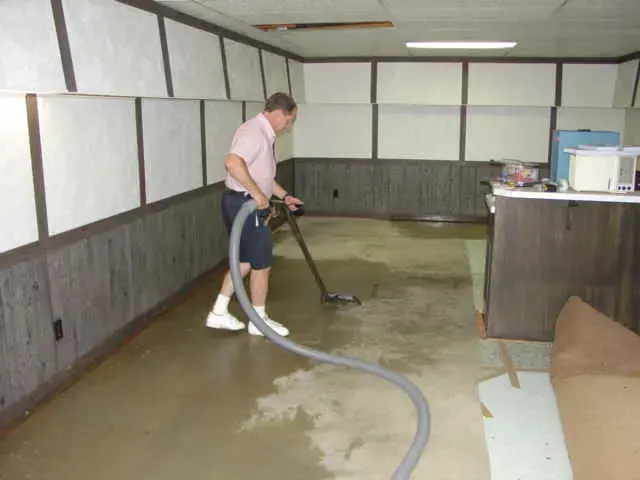
Water Extraction and Removal
Extraction wands and pumps clear standing creek or pipe water before drying starts.
See the service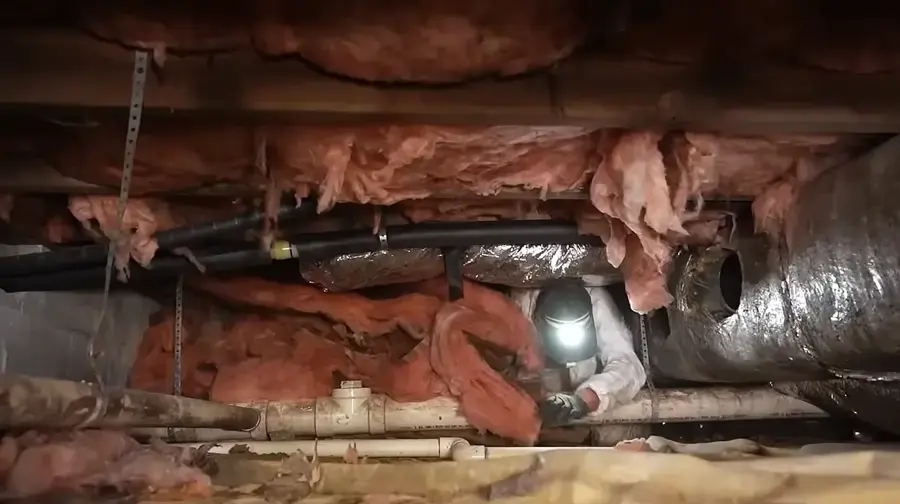
Crawl Space Water Damage
Pump-out, wet insulation removal and joist drying for water collecting beneath a house.
See the service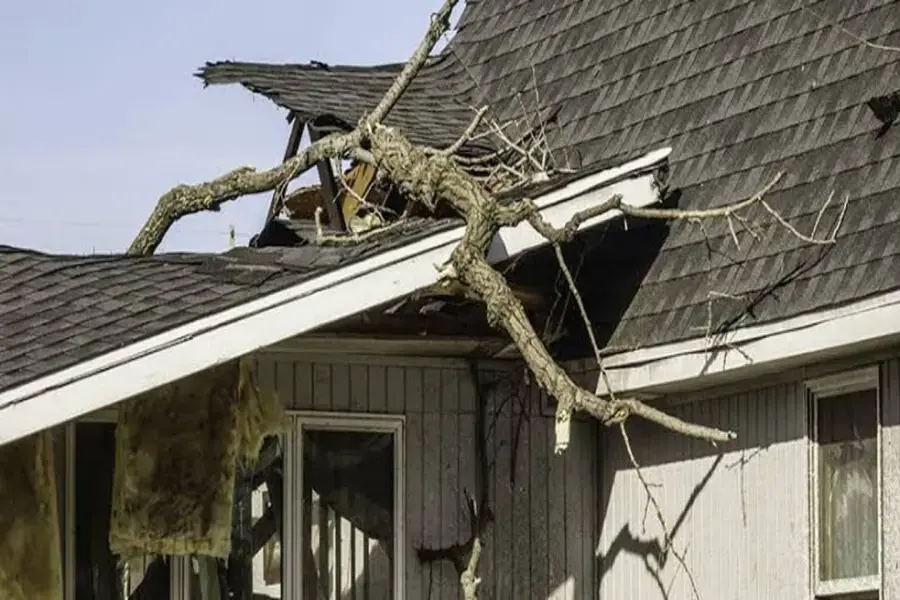
Roof Leak Water Damage
Rainy-season leaks through shingles or flashing soak attic insulation and ceilings below.
See the service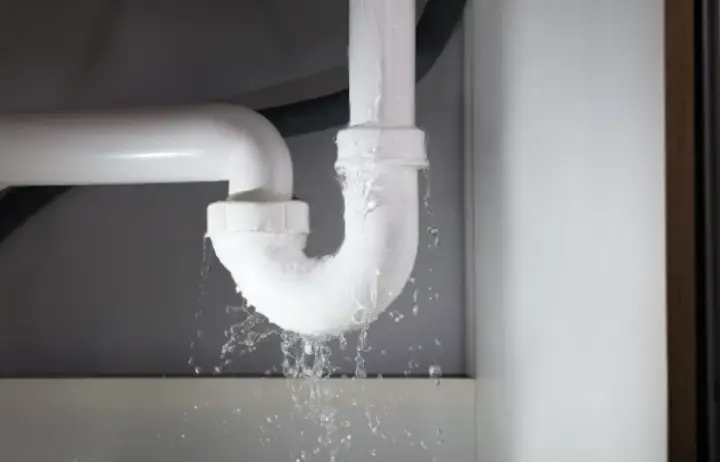
Burst Pipe Water Damage
Split supply pipes soak floors and ceilings, then the cleanup and drying begin.
See the service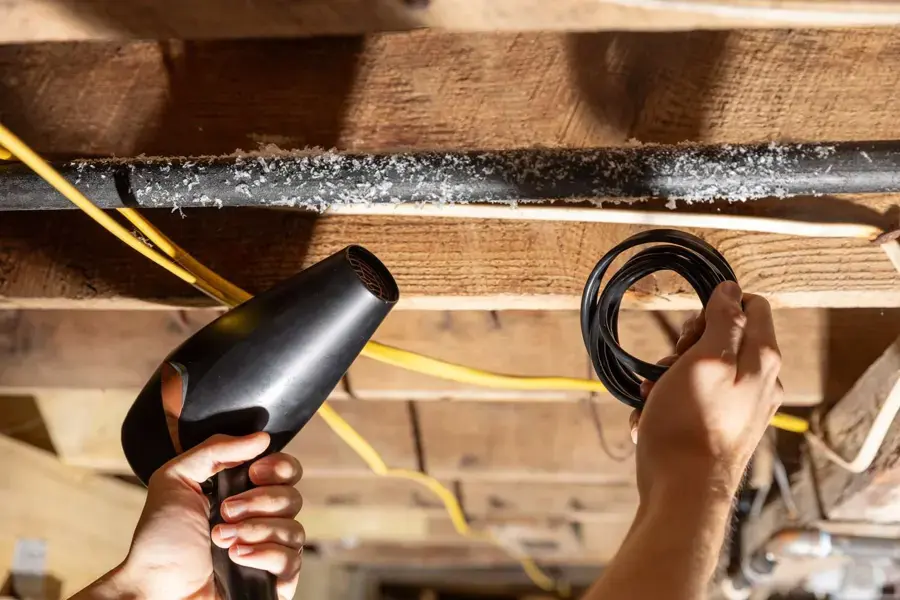
Frozen Pipe Water Damage
Cold snaps split pipes in walls and crawl spaces, then thawing reveals the leak.
See the service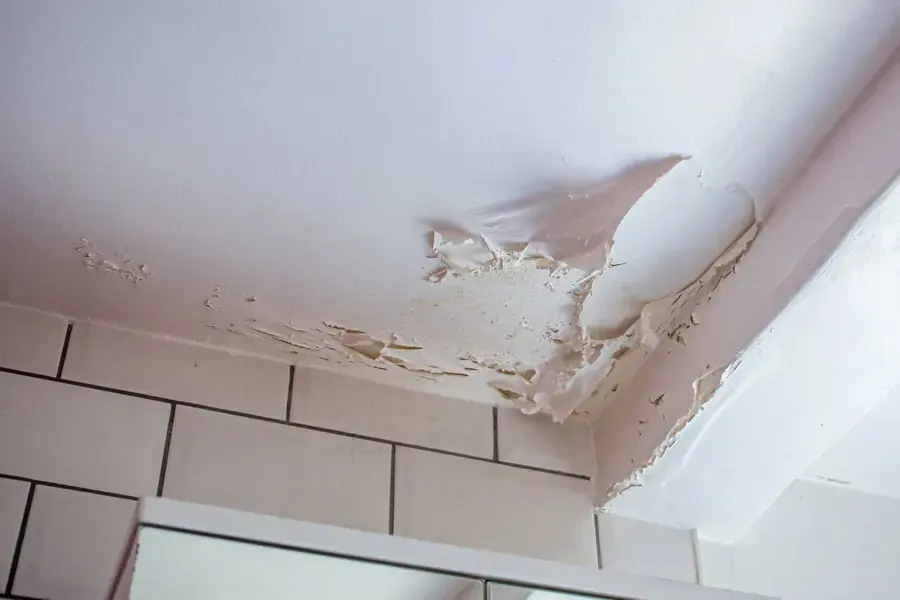
Ceiling Leak Water Damage
Stained or sagging ceilings usually trace back to a bathroom or laundry area above.
See the service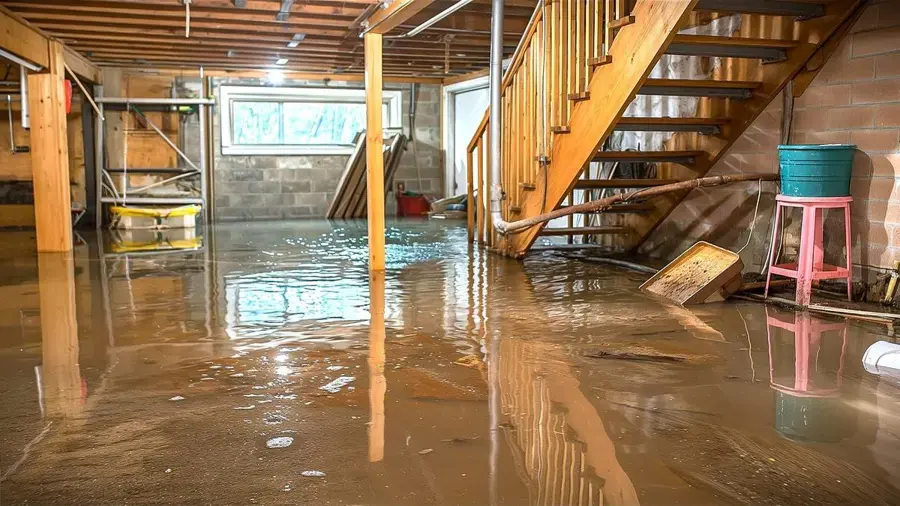
Basement Water Damage
Runoff from heavy atmospheric rivers can reach lower floors, slabs and finished basement walls.
See the service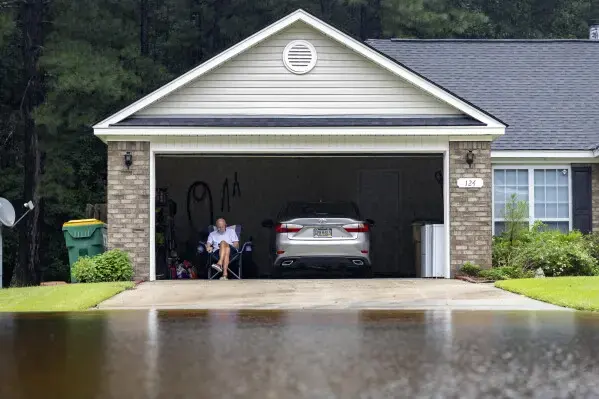
Storm and Runoff Flood Cleanup
Overflow from Issaquah Creek and street runoff means cleaning garages and lower levels.
See the service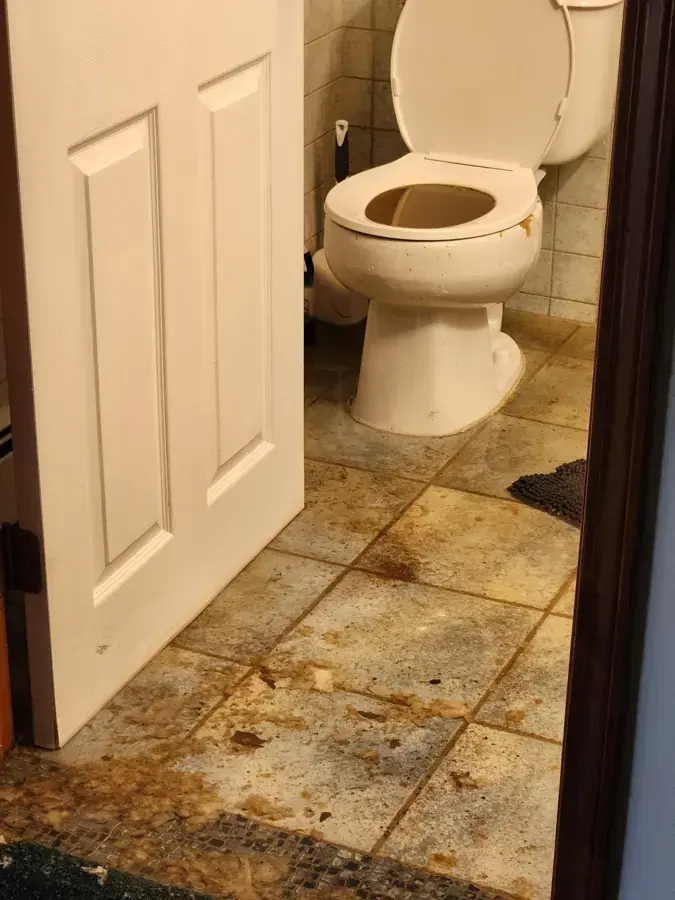
Sewage Backup Cleanup
Backed-up drains get contained, cleaned and disinfected, with soaked porous materials removed.
See the service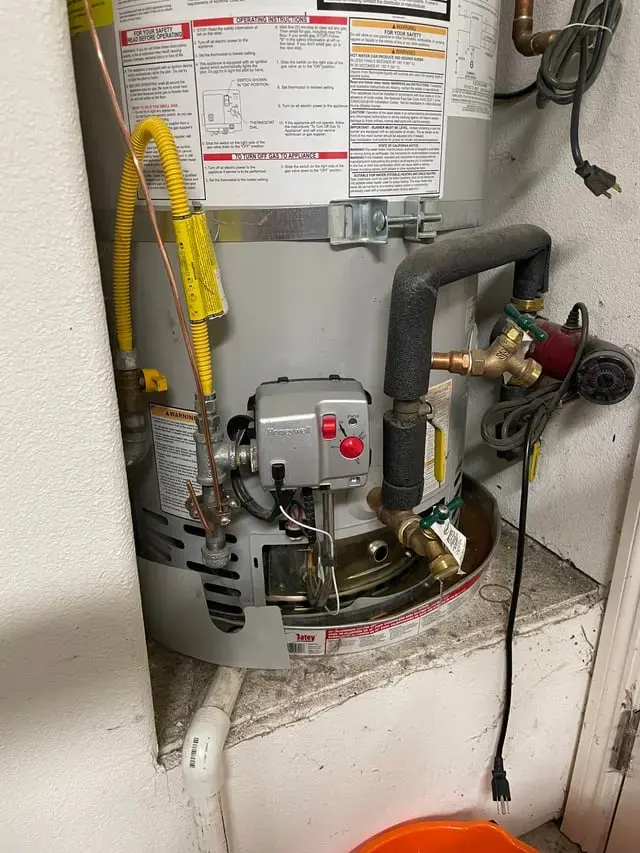
Water Heater Leak Cleanup
A failing tank soaks the garage floor and the base of nearby walls.
See the service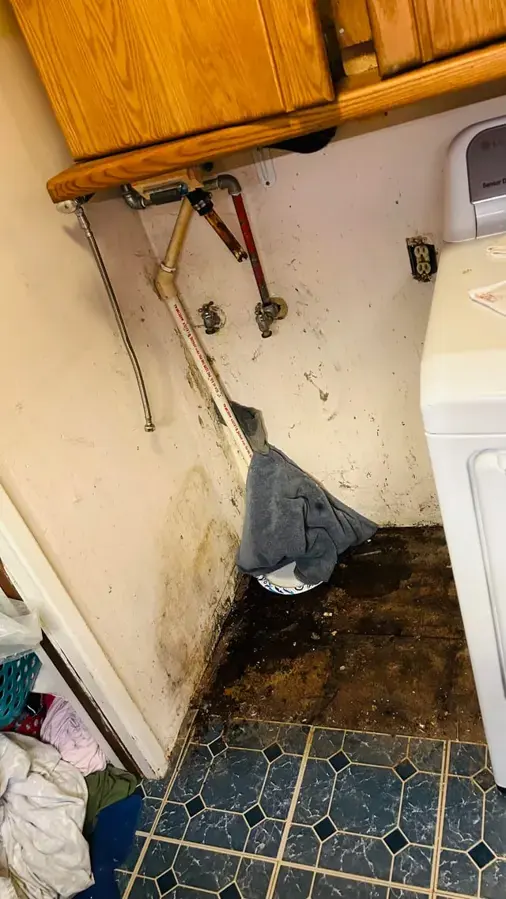
Appliance Leak Water Damage
Washer, dishwasher and refrigerator supply leaks wet cabinets, flooring and sometimes a neighbor's ceiling.
See the service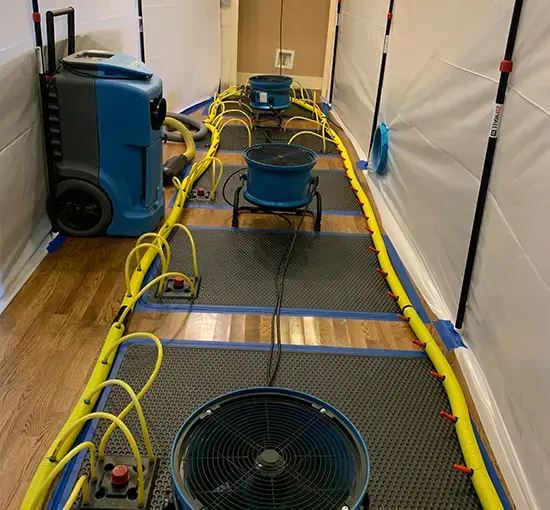
Structural Drying and Dehumidification
Air movers and dehumidifiers dry framing, subfloors and wall cavities until readings return to normal.
See the serviceWhat water damage restoration costs in Issaquah
Most Issaquah jobs fall in a range of $1,200 to $35,000, and the total depends mostly on the water category, the area affected, the materials removed and the drying time needed.
Each figure shifts with the moisture readings found on site, so the final number is set once walls, subfloors and ceilings have been checked and the water category is confirmed.
Small area, clean water
$1,200 to $4,500
- Wet vacuum extraction
- Dried in place
- Readings every visit
Several rooms or two floors
$4,500 to $12,000
- Pad and trim removal
- Ceiling drying
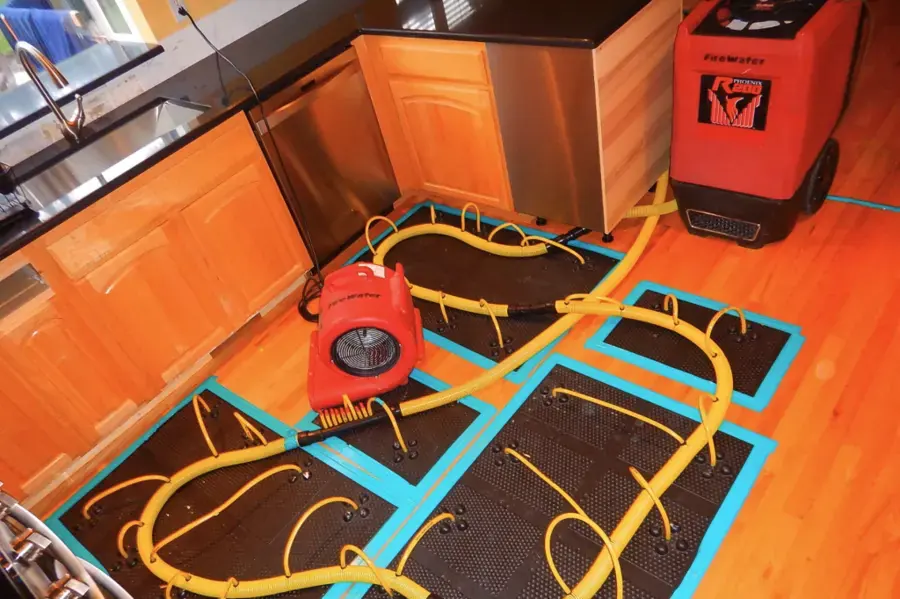
- LGR dehumidifiers
Gray or black water
$12,000 to $35,000
- Containment setup
- Flooring removed
- Extended drying
Restoration that fits the Issaquah valley setting
Issaquah homes deal with a creek that rises in winter, aging water mains in some neighborhoods and cold snaps that split pipes. A crew that expects those causes brings the right pumps, meters and drying equipment. Every visit is logged so the adjuster can follow the numbers. See water extraction in Issaquah.
Rapid local response
Dispatch covers evenings and weekends, because creek floods and pipe breaks do not wait for business hours.
IICRC S500 drying standard
Equipment is sized to each room and checked against dry reference readings instead of a calendar estimate.
Claim-ready documentation
Photos, moisture logs and material lists are organized so an adjuster can follow each decision made on site.
Issaquah water know-how
The crew knows the creek valley, the winter rains and the aging water mains being replaced in South Lake Sammamish.
Which kind of water is in the house
Category 1, clean water
A supply pipe, tank or washer hose releases clean water, though it turns worse the longer materials stay wet, so quick extraction matters.
Burst pipe water damageCategory 2, gray water
Dishwasher and washing machine discharge carries contaminants, so affected carpet and pad are usually removed rather than dried.
Appliance leak water damageCategory 3, black water
Sewage and creek floodwater carry bacteria, so containment, protective gear and removal of porous materials come first.
Sewage backup cleanupWhat drying work looks like inside a house
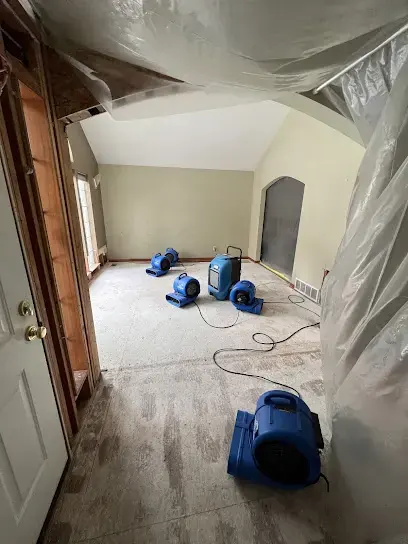
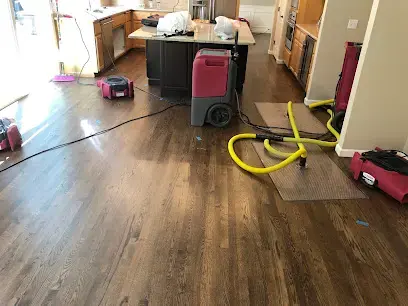
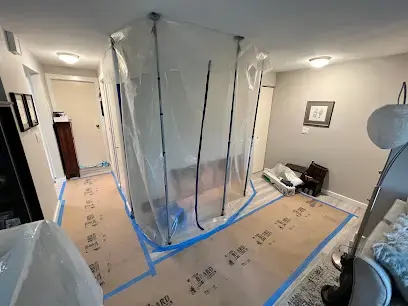
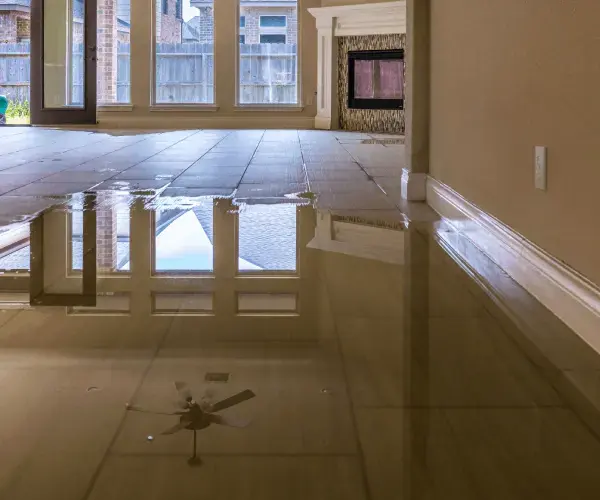
How drying is measured and confirmed in Issaquah
Drying follows the IICRC S500 standard: readings are taken before equipment is placed, logged every day, and compared with dry reference points, so the job ends on documented data instead of a guess about dryness.
- Daily drying logs
- LGR dehumidifiers
- Moisture meter readings
Map the moisture
Meters and thermal checks trace water through floors, walls and ceilings, and the first readings become the starting record.
Remove standing water
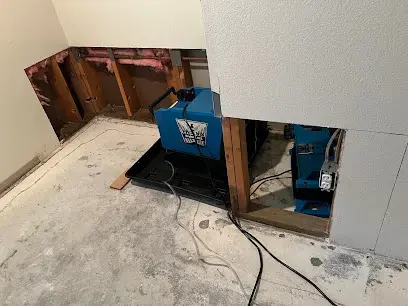
Pumps and extraction tools lift what can be lifted, and saturated pad or loose material comes out so air can reach what stays.
Set the equipment
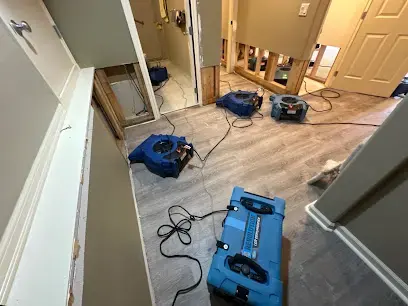
Air movers, dehumidifiers and containment are placed to match the room, and adjusted as readings show where moisture is lingering.
Verify dry
Final readings are compared with unaffected reference materials, and equipment stays until the framing and subfloor reach those numbers.
Records that support the claim
Adjusters want proof of the source, the extent and the work done, so each job builds a record as it goes.
- Photos of the source and every affected room before anything is removed
- Daily moisture readings with dates, locations and the dry reference values used
- An equipment log showing what ran, where and for how long
- A list of materials removed, such as pad, baseboard or drywall, with photos of each
- A written scope that matches the water category and the cause of the loss
Filing the claim yourself
Report the loss to the insurer as soon as possible and name the source clearly. Coverage depends on the policy, so questions about what is included go to the insurer.
Keep the receipts and the equipment log together, and ask for the final drying readings before the equipment leaves, since the adjuster may ask for them.
Water damage service across Issaquah neighborhoods
Issaquah neighborhoods
ZIP codes
Nearby towns
What puts Issaquah homes at risk of water damage
Issaquah sits in a valley at the south end of Lake Sammamish, ringed by the Issaquah Alps, and water arrives from several directions: the creek, storm drains, aging mains and winter cold.
- Issaquah Creek: The city sets four flood phases by creek gauge height, and the January 2009 flood remains its Phase IV benchmark.
- Atmospheric rivers: On December 11, 2025, residents along Issaquah Creek ran pumps as floodwater filled yards during the regional atmospheric river floods.
- Storm drains: The city asks residents to keep drains near their homes clear of leaves and debris, which limits localized flooding.
- Water mains: The city scheduled replacement of aging, brittle mains in South Lake Sammamish for March 17 to September 30, 2026, and a June 5, 2026 break left six houses out of service.
- Side sewers: Owners maintain the side sewer from the building to the city main, while the city maintains the main itself.

What should happen first when water floods an Issaquah home?
Stop the source if it is a pipe or tank, switch off power to wet areas and photograph the damage. Then bring in a crew to extract the water, because standing water keeps soaking floors and walls.
Is creek floodwater treated differently from pipe water?
Yes. Creek floodwater carries soil and bacteria, so it is handled as Category 3, with containment and removal of porous materials, while a clean supply leak can often be dried in place.
Who fixes a sewer backup, the owner or the city?
Property owners maintain the side sewer between the building and the city main, and the city maintains the main. Cleanup is separate from the repair, which depends on where the blockage sits.
Does replacing a water heater need a permit?
Yes. An electric unit needs a plumbing permit and a gas unit needs a mechanical permit, both available online through MyBuildingPermit.com. See water heater leak cleanup.
How do cold snaps in Issaquah lead to pipe ruptures and water damage?
The city posted cold tips on January 16, 2024 after extreme cold ruptured pipes: let taps drip, open cabinet doors, thaw with a hair dryer and shut off the water if a pipe breaks.
How long does structural drying take in Issaquah?
Structural drying has no fixed number of days. Moisture meters decide, and equipment stays until framing, subfloors and wall cavities match the dry reference readings taken on unaffected materials.
Can a ceiling leak come from upstairs?
Often. Water from a bathroom, laundry room or apartment above travels along joists before it stains the ceiling, so the source can sit well away from the stain.
Do heavy winter rains threaten basements and crawl spaces?
They can. Runoff during atmospheric river storms may reach lower floors, and water can collect under a house, so both areas get checked with moisture meters.
What happens to an appliance leak that spreads between apartments?
Water from a washer or dishwasher can reach a neighboring unit through floors and walls. The crew traces each wet area, dries the affected units and documents the path for the adjuster.
Which neighborhoods does the crew cover?
The crew covers Issaquah Valley, Olde Town, Issaquah Highlands, Talus, Montreux, Providence Point, Sycamore, Newport, Squak Mountain and the rest of the city.
Get Issaquah water damage under control
Creek overflow, a split pipe or a failed tank can soak an Issaquah home quickly, and the longer materials stay wet the more has to be removed. Learn about burst pipe water damage.
Sammamish, WA · King County · open 24/7