Water Damage Restoration in Duvall, WA
Duvall homeowners on the hillside above the Snoqualmie River get a restoration crew that pulls out standing water, dries floors, walls and subfloors with measured equipment, and writes up the loss for the adjuster after a leak, a storm or a river rise.
(888) 509-1696Ask Duvall dispatch for help- 24/7 dispatch
- Hillside runoff and river water
- Measured daily drying
Dispatch covers Duvall and the lower Snoqualmie Valley around the clock.
What to do in the first minutes of a water loss
- 1
Stop the source
Shut the main supply valve or the appliance valve, then keep power off in wet areas wherever outlets or the panel sit near standing water.
- 2
Move people and valuables
Lift electronics, rugs and papers onto dry surfaces and keep children and pets out of the wet rooms until the crew has looked.
- 3
Check the water color
Clear water from a supply pipe is one thing, but cloudy or foul water from a drain or the river needs protective handling, so stay out of it.
- 4
Document the scene
Photograph every wet surface and damaged item before anything moves, because the adjuster will want a clear picture of the original condition.
- 5
Call for drying
Dispatch sends a crew to extract and set equipment.
Twelve water services for Duvall homes
Each service below covers a different way water gets into a Duvall house, from a split pipe to a rising river.
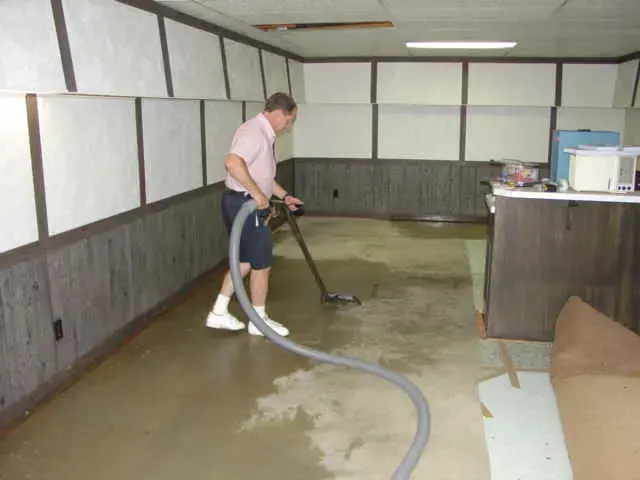
Water Extraction and Removal
Rain, runoff or river water is pumped and extracted before it soaks the subfloor.
See the service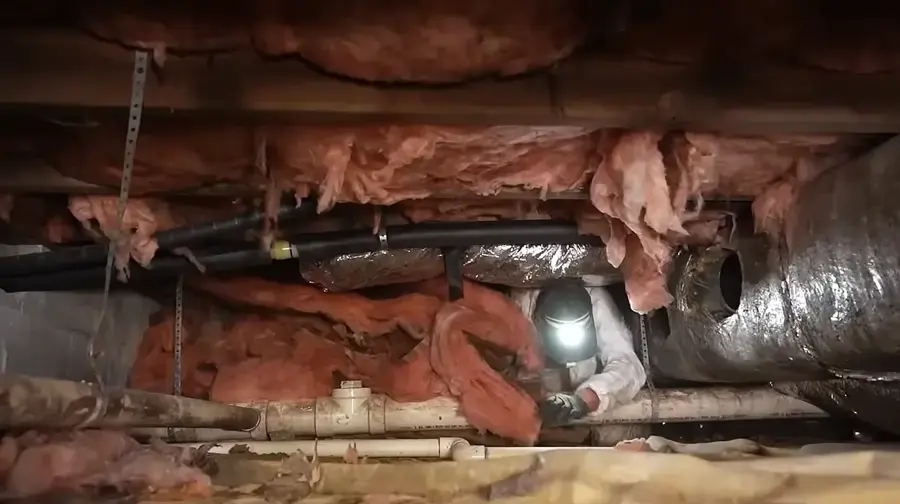
Crawl Space Water Damage
Wet insulation, loose barriers and damp joists under the floor are checked and dried.
See the service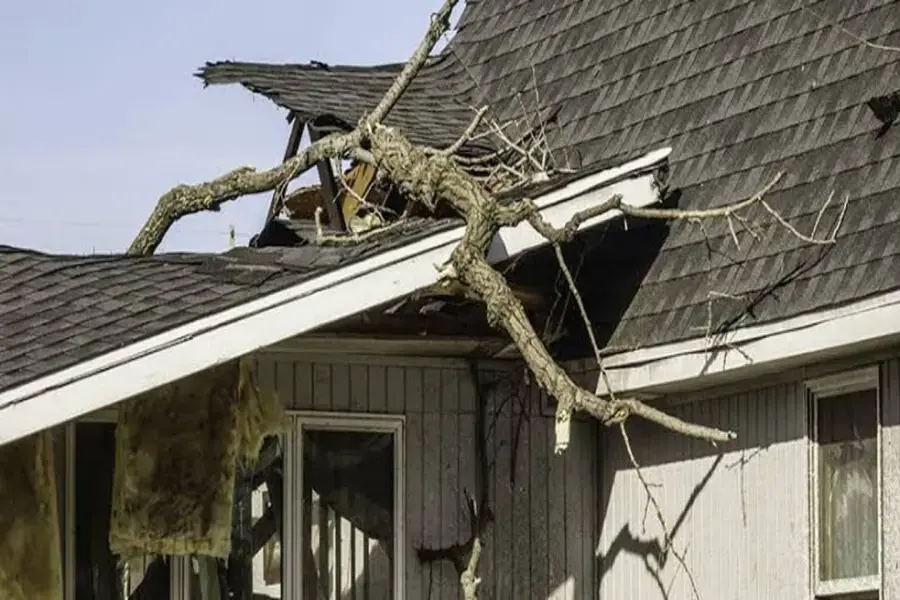
Roof Leak Water Damage
Leaks from wind damage or steady rain are traced, then wet attic and ceiling materials dried.
See the service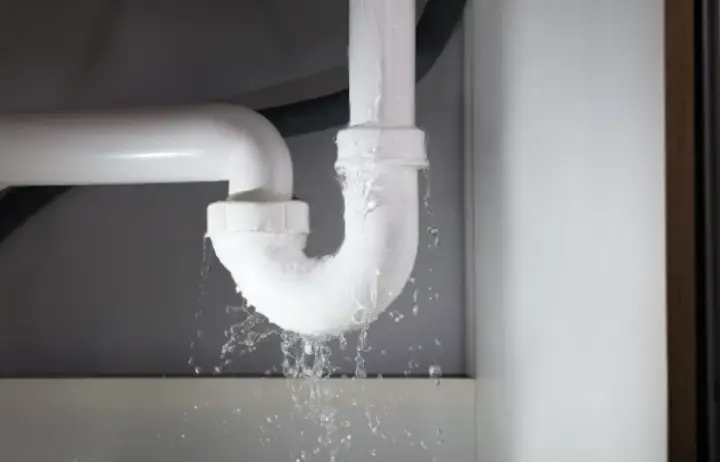
Burst Pipe Water Damage
Split pipes are found, the flooded area extracted and the wet walls dried.
See the service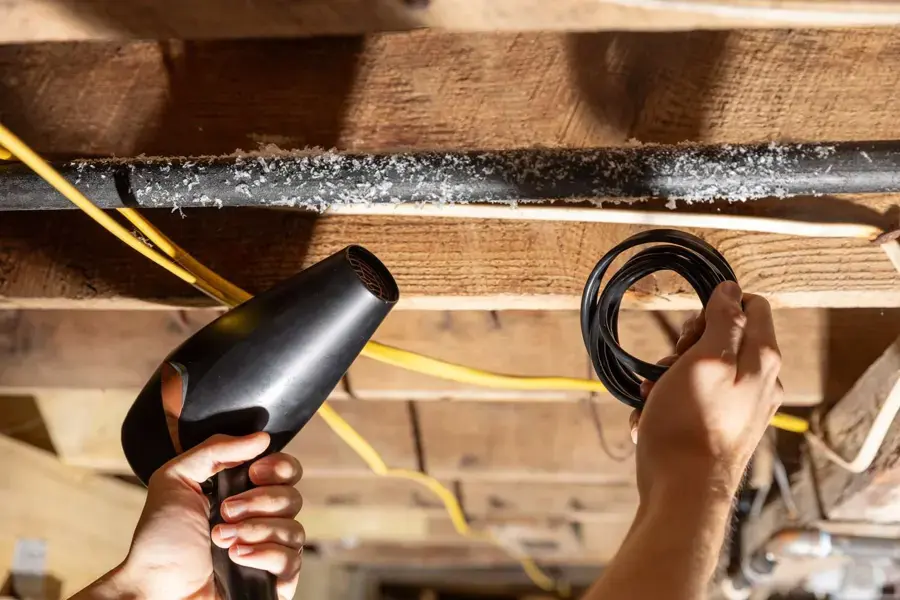
Frozen Pipe Water Damage
Thaw leaks after a cold snap are traced and the soaked cavities dried.
See the service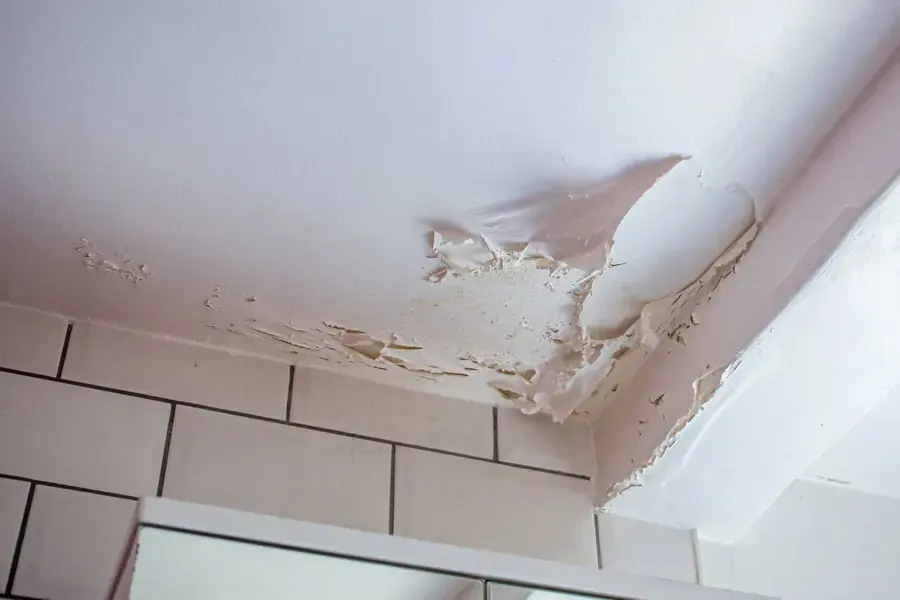
Ceiling Leak Water Damage
Stained or sagging ceilings are opened, the source found and the bays dried.
See the service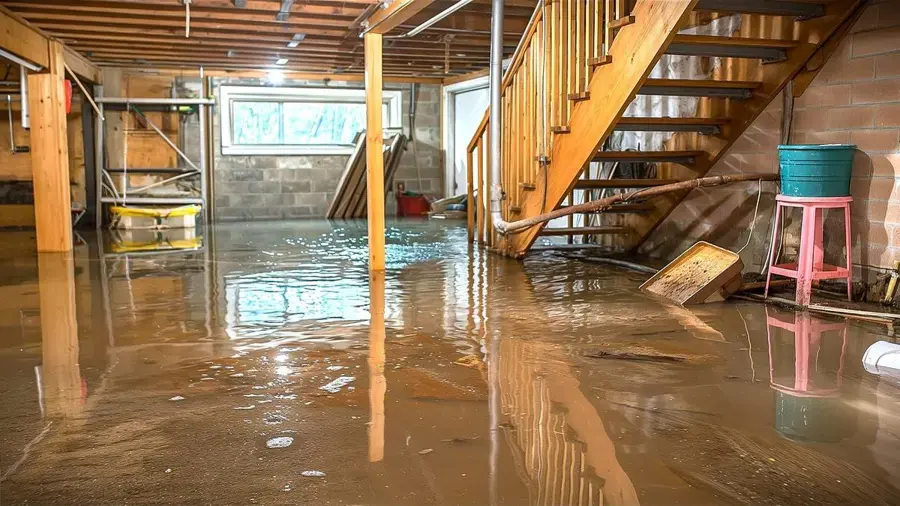
Basement Water Damage
Seepage from saturated soil in lower levels is pumped out and the finishes dried.
See the service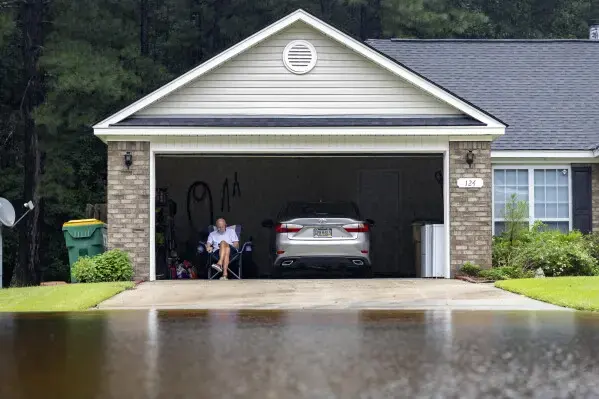
Storm and Runoff Flood Cleanup
River rises and heavy runoff are cleaned up with extraction, sanitizing and drying.
See the service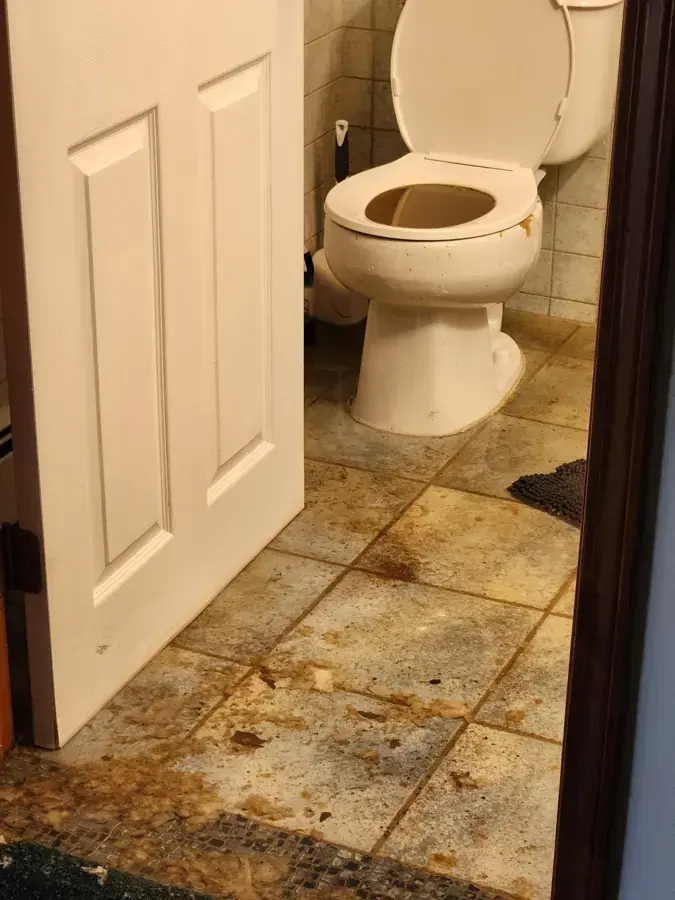
Sewage Backup Cleanup
Drain backups in heavy rain get contained, cleaned and sanitized safely.
See the service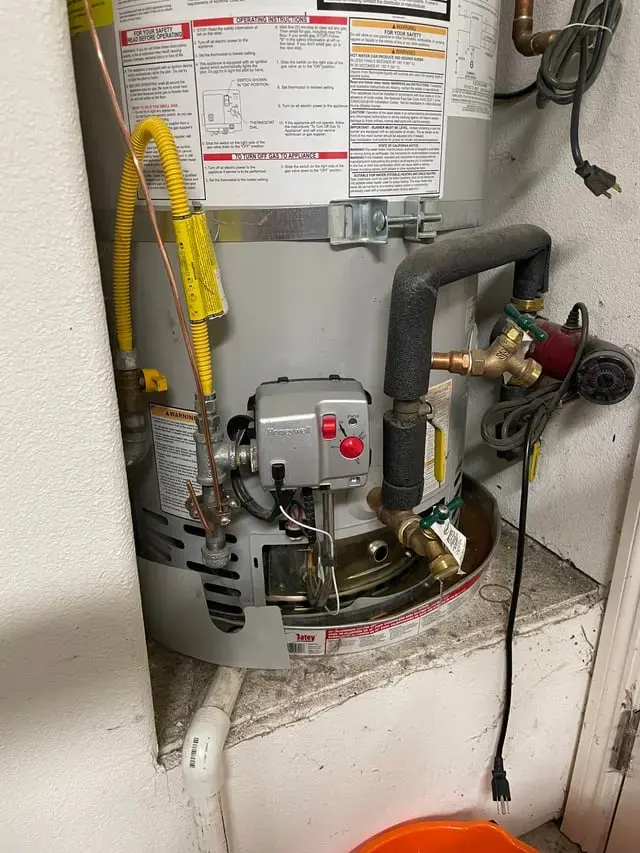
Water Heater Leak Cleanup
A leaking tank is mopped up and the wall bottoms and floor are dried.
See the service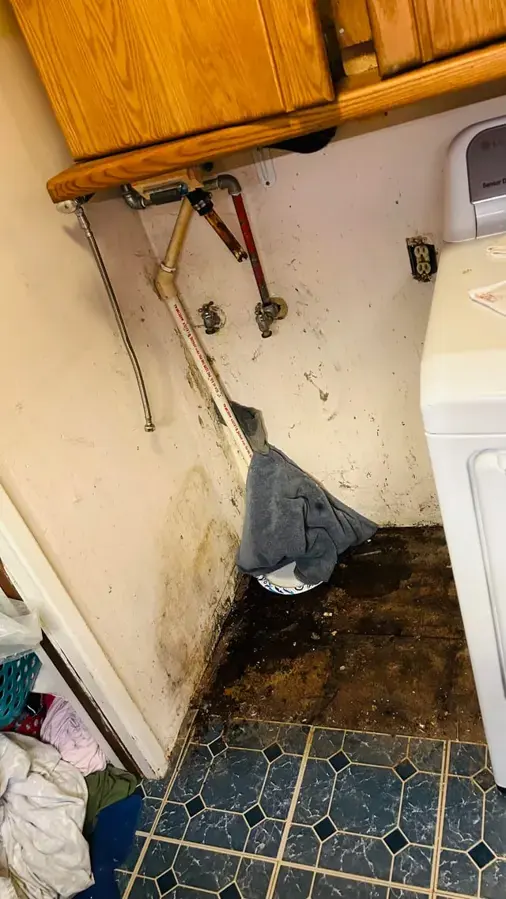
Appliance Leak Water Damage
Washer, dishwasher and fridge leaks are extracted and dried under cabinets.
See the service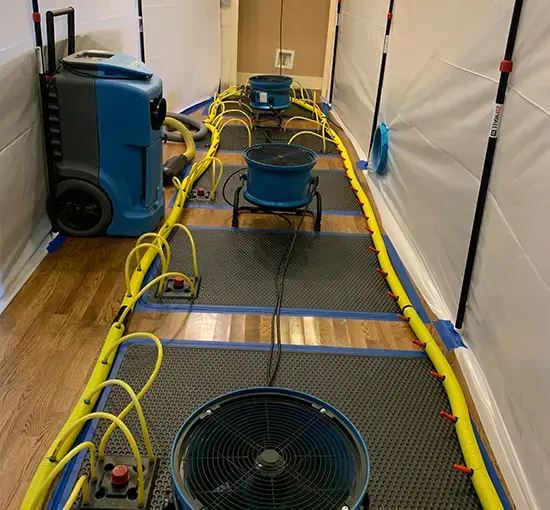
Structural Drying and Dehumidification
Framing and subfloors are dried to readings, not guesses, after the water is out.
See the serviceWhat water damage restoration costs in Duvall
Most Duvall water damage jobs land between $1,200 and $35,000, depending on the water category, how many rooms are wet and how long the drying runs. A written scope after the walkthrough sets the real figure.
Ranges cover labor and equipment for the dry-out and are not a quote. Category 3 water from a river or sewer sits at the top of the scale because more material is removed.
One or two rooms, caught early
$1,200 to $4,500
- Standing water extracted
- Dried in place where possible
- Moisture readings every day
Several rooms or two levels
$4,500 to $12,000
- Wet pad and baseboard removed
- Wall cavities dried
- LGR dehumidifiers running
Category 3 or a flooded lower level
$12,000 to $35,000
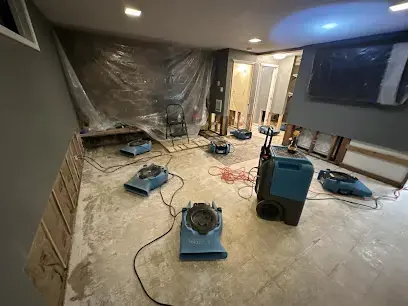
- Containment around the work
- Wet flooring and drywall removed
- Longer drying schedule
A valley town needs a crew that knows wet seasons
Duvall homes sit on a hillside above a river valley where the wet season runs from late fall to early spring and floods can cut the town off from land routes. The crew plans for slow roads, saturated ground and contaminated water. Equipment, readings and paperwork follow the same routine on every job.
Rapid local response
Dispatch runs around the clock, and the crew arrives with pumps, meters and drying equipment loaded.
IICRC S500 drying standard
Drying targets come from the S500 standard and a dry reference reading, so the work has a measurable end point.
Claim-ready documentation
Photos, moisture logs and equipment records are kept for the adjuster as the job moves forward.
Duvall water know-how
The crew knows how hillside runoff, a rising Snoqualmie River and wet-season ground affect homes here.
Three water categories, three kinds of cleanup
Clean water
A split supply pipe or a failed valve sends clean water across the floor, and fast extraction usually lets floors and walls dry in place.
Burst pipe water damageGray water
Washers, dishwashers and ice maker connections release used water that carries some soil, so porous finishes get closer attention.
Appliance leak water damageBlack water
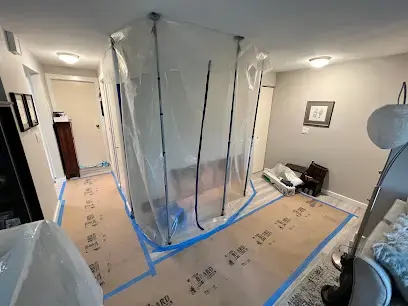
River flooding or a sewer backup brings contamination, and carpet, pad and wet drywall come out under containment.
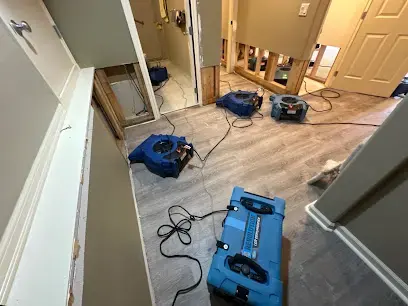
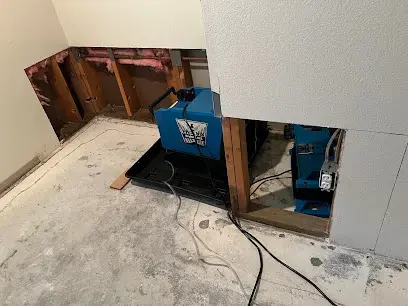
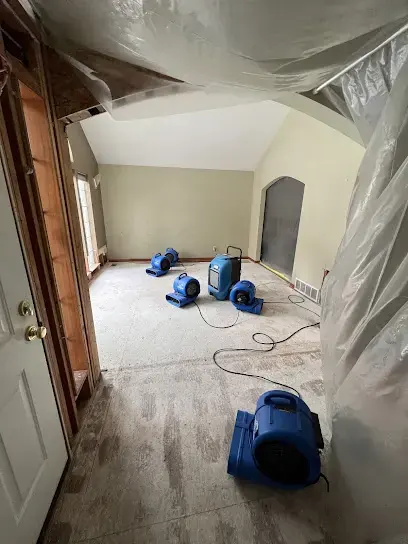
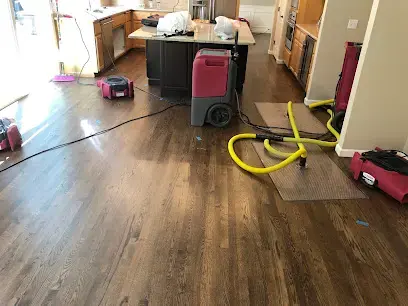
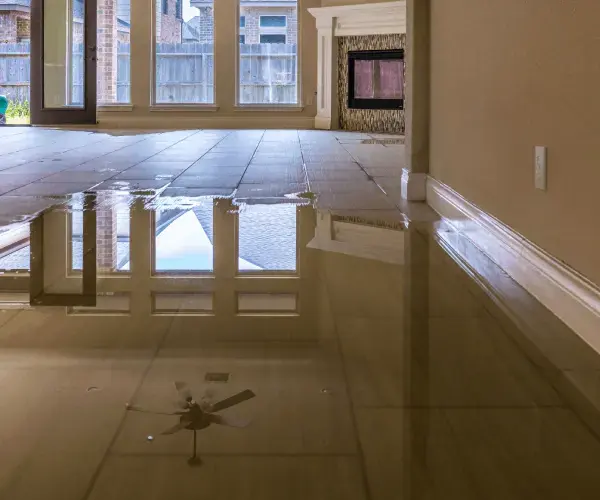
Sewage backup cleanupEquipment and containment on typical water damage jobs
Drying that follows the S500 standard, not guesswork
The crew works to the IICRC S500 standard: moisture and humidity are measured at the start, equipment is placed by the numbers, and a dry reference reading from an unaffected room sets the target.
- Daily drying logs
- LGR dehumidifiers
- Dry reference readings
Measure first
Moisture meters, thermal checks and humidity readings map which materials are wet before anything is moved or removed from the house.
Pull the water
Pumps and extractors take standing water off floors and out of low spots, which cuts the drying load quickly and protects the subfloor.
Balance the equipment
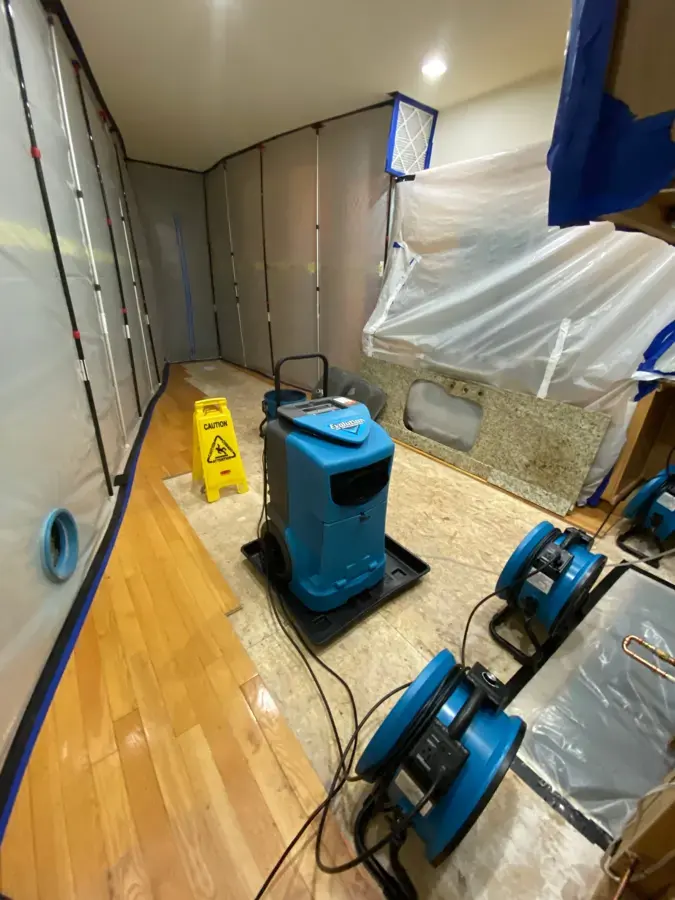
Air movers and LGR dehumidifiers are placed to match the wet area, then adjusted day by day as the readings fall.
Confirm dry
Final readings are compared with the dry reference, and equipment stays in place until every wet material meets that target.
Documentation that supports the claim
Each job leaves a paper trail that an adjuster can follow without a second visit to sort out what was wet.
- Dated photos of every wet room, surface and damaged item before removal begins
- Moisture readings from day one and every visit after, tied to specific locations
- A record of the water source and the category assigned to it
- Equipment placement logs showing what ran, where and for how long
- An itemized list of materials removed, with photos taken as they came out
Filing the claim yourself
Report the loss to the carrier early and describe the cause plainly, since sudden pipe failures and rising river water are often handled under different parts of a policy.
Keep the photos, the drying logs and every receipt together in one folder so the adjuster can review the whole file at once.
Water damage help across Duvall and its neighborhoods
Duvall neighborhoods
ZIP codes
Nearby towns
Where water comes from in a hillside river town
Water reaches Duvall homes from the Snoqualmie River below town, from saturated hillside soil in the wet season, and from the plumbing and appliances inside the house itself, and each source calls for a different response.
- River flooding: The Snoqualmie River floodplain covers about 138 acres of Duvall, mostly city-owned open space, though flooding can still cut the routes in and out of town.
- Hillside soil: The city plan cites steep slopes, saturated soils and glacial sediments as landslide drivers, and the same wet ground can push water toward lower levels.
- Storm drains: The city plan describes limited stormwater infrastructure and aging culverts, so heavy rain can overwhelm drainage near a house.
- City utilities: The City of Duvall runs its own water, sewer and storm utilities, and the wastewater plant has structures partly in the 500-year floodplain.
- Housing age: Fewer than 6 percent of Duvall structures were built before 1974, so most homes are newer construction, and many losses start at roofs, fixtures and appliances.

What should a Duvall homeowner do first when water gets in?
Stop the source if it is safe to reach, keep people away from wet areas near outlets and photograph the damage before moving anything. Then call dispatch so extraction and drying can begin quickly.
Does Snoqualmie River flood water need special cleanup?
Yes. River water is treated as contaminated, so carpet, pad and soaked drywall are usually removed under containment while hard surfaces are cleaned and sanitized before drying starts.
What does water damage restoration cost in Duvall?
Jobs generally run from $1,200 to $35,000, depending on the water category, the area affected and how long drying takes. A written scope after the walkthrough sets the figure for the house.
Will homeowners insurance pay for the cleanup?
That depends on the policy and on the cause of the loss. A burst pipe and rising river water are often treated differently, so the carrier is the right place to confirm.
Why does the crew take moisture readings every day?
Readings show whether walls, subfloors and framing are actually drying. They set when equipment can be adjusted or removed, and they give the adjuster proof of progress.
Can hillside water get into a Duvall house?
Steep slopes and saturated soil in the wet season can push water toward lower levels and under floors. The source is found first, then wet materials are extracted and dried.
How is a sewage backup handled?
The area is contained, contaminated materials are removed, and surfaces are cleaned and sanitized. HEPA air scrubbers may run to protect the rest of the house.
Do downed trees and wind cause roof leaks here?
Wind events often bring down trees and disrupt utilities in Duvall, and a damaged roof lets rain into the attic. The wet insulation and ceilings below are opened and dried.
Which Duvall neighborhoods does the crew serve?
The crew serves Duvall from Main Street and the Snoqualmie Valley Trail corridor up to Big Rock, Cherry Valley, Taylor's Ridge and the rest of ZIP 98019.
Is the dry-out finished when the surface feels dry?
Not necessarily. Materials can hold moisture below the surface, so equipment stays until readings match the dry reference from an unaffected area.
Water damage in Duvall needs a fast, measured response
From a downtown Main Street home to a hillside house near Big Rock, the crew extracts the water, dries the structure to the S500 standard and documents the work for the claim.
Sammamish, WA · King County · open 24/7