Basement Water Damage in Sammamish, WA
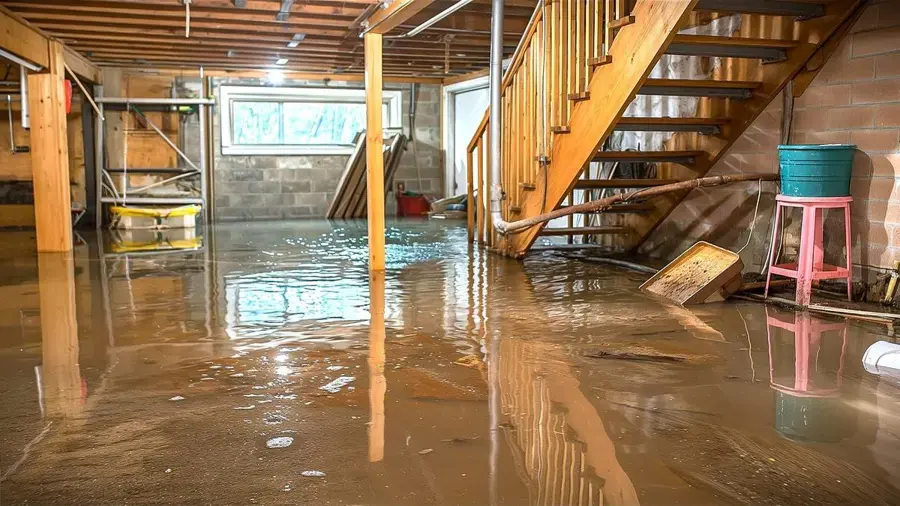
Homes on the slopes of the Sammamish Plateau often have a daylight basement cut into the hill. The basement crew extracts the water, opens finished walls where meters say and dries the slab and framing.
(888) 509-1696Get the basement water out- Pump-out and extraction
- Flood cuts by reading
- Desiccant drying
First steps for basement water damage in Sammamish
- 1
Stay out of deep water
Especially near outlets, the panel or appliances.
- 2
Shut the source
Close the main if a pipe or the water heater failed.
- 3
Move belongings up
Get boxes and electronics off the floor.
- 4
Call for pump-out
Basement water sits until it is removed.
How the crew handles basement water damage in Sammamish
A daylight basement has one side open to the yard and the other buried in the hill. Water finds it from both directions: seepage through the buried walls and plumbing failures inside. The basement crew starts by finding which one it is.
Water still moving in Sammamish?
(888) 509-1696Get the basement pumped outWhat does basement water damage cost in Sammamish, WA?
In Sammamish, WA, basement water damage typically runs $2,000 to $35,000, depending on the water source, how much of the basement is finished and how deep the water got.
Ranges are typical, not a quote: the water category, square footage, material class and how fast drying started move the number most. Run the Sammamish water damage cost calculator for a closer range.
Unfinished or small area
$2,000 to $6,000
- Pump-out
- Slab drying
- Daily readings
Finished basement, clean water
$6,000 to $15,000
- Pad removal
- Flood cuts
- Wall cavity drying
Seepage or Category 3
$15,000 to $35,000
- Containment
- Porous materials removed
- Extended drying
How basement water damage is handled in Sammamish, step by step
Pump and extract
Standing water out first.
Map the walls
Meters set the flood-cut height.
Remove
Wet pad, drywall and insulation come out.
Dry and verify
Slab and framing dried to a dry reference.
Why plateau basements take on water
On a slope, rain soaks the uphill side and runs toward the buried wall. Over dense glacial till it can perch and push through cracks, cold joints and the floor-wall seam, especially in a long atmospheric river.
- Seepage through the uphill foundation wall
- Water at the floor-wall seam
- Window wells filling in heavy rain
- Water heater and laundry failures inside
Finished basements
Many Sammamish basements are finished, with carpet, drywall and insulation against the concrete. Wet pad comes out, and drywall gets a flood cut at a height set by the meter readings so the wall cavity can dry.
Groundwater and seepage are Category 3 when they crossed soil, so porous materials they touched are removed. FloodSmart explains how flood coverage differs from a homeowners policy.
Drying concrete
A concrete slab holds water deep and gives it up slowly. Desiccant or LGR dehumidifiers and air movers run with daily readings. Ready.gov covers safety in a flooded space, including electrical hazards.
Trade fact: Finished basement drywall is usually cut 2 to 4 feet up, but the readings set the height, not a rule of thumb.
Basement water damage across Sammamish and the plateau
The Sammamish restoration crew covers ZIP 98074 and 98075, from Sahalee and Inglewood in the north through Sammamish Highlands, Pine Lake and Beaver Lake to Klahanie, Trossachs and the homes along East Lake Sammamish.
Nearby coverage reaches Redmond, Issaquah, Bellevue, Kirkland, Duvall, Fall City and Carnation.
Related water damage services in Sammamish
What is a daylight basement?
A basement built into a slope, with one side at ground level and the other buried in the hill. They are common on the Sammamish Plateau.
Why does water come in at the floor-wall seam?
Water pressure in saturated soil pushes through the joint where the slab meets the wall, often in a long, heavy rain.
Does the carpet have to go?
Pad almost always comes out. Carpet touched by seepage or groundwater is removed; carpet wet with clean water can sometimes be saved.
How long does a basement take to dry?
Usually four to ten days. Concrete and finished walls hold water, so readings decide.
Who stops the seepage?
A waterproofing or drainage contractor. The restoration crew removes the water and dries the basement.
Is basement seepage covered?
Groundwater seepage is usually treated differently from a sudden pipe break. Coverage depends on your policy, so check with your own insurer.
Basement flooding in Sammamish? Call now.
Basement water keeps wicking up drywall and soaking the slab. The crew pumps it out and dries to a reading.
Sammamish, WA · King County · open 24/7