Water Damage Restoration Redmond, WA
24/7 water damage restoration in Redmond, WA. The response team pulls standing water out of homes, townhomes and apartments, the drying team brings framing and floors back to a dry reading, and each step is logged for the insurance file.
(888) 509-1696Start Redmond water removal now- 24/7 dispatch
- IICRC S500 structural drying
- Unit-to-unit leak tracing
ZIP 98052 and 98053, from Downtown and Overlake to Education Hill.
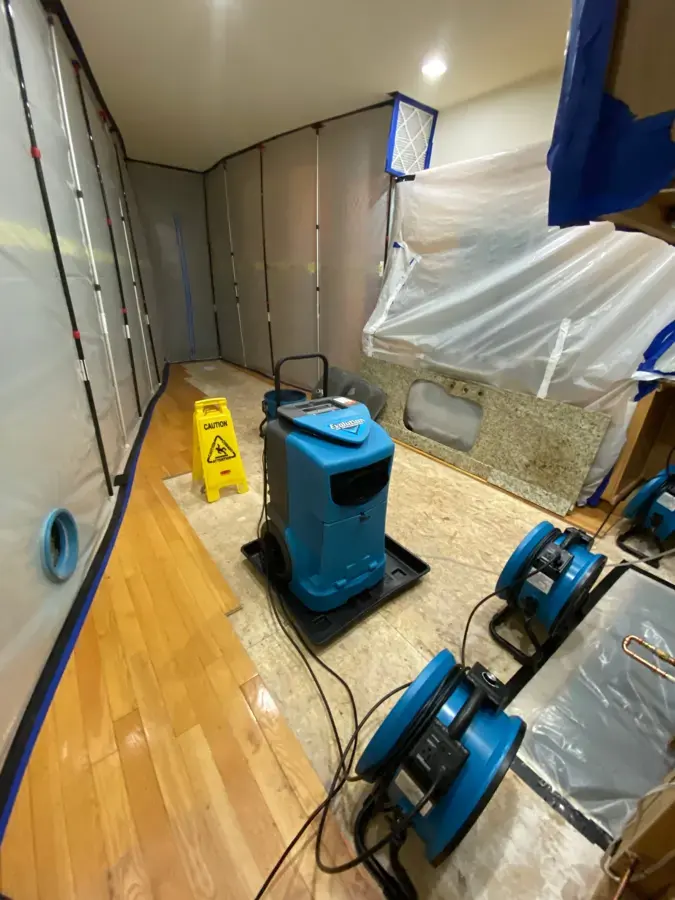
First moves when water is loose in a Redmond home
- 1
Close the supply
Turn the main valve or the shutoff at the fixture. In an apartment or townhome, the unit shutoff is often near the water heater or in a utility closet.
- 2
Make the room safe
Switch off breakers for wet rooms only if the panel is dry. Keep away from cords, outlets and appliances sitting in water.
- 3
Warn the neighbor
In a shared building, tell the unit below and the building manager. Water from one floor often reaches the next.
- 4
Document the scene
Photograph the source, the wet floors and walls and anything damaged before it is moved or thrown out.
- 5
Get things off the floor
Lift rugs, electronics and boxes, and keep furniture legs off wet carpet.
Water Damage Restoration Services in Redmond, WA
Twelve water problems Redmond homes and buildings run into, each with its own method. Choose the one closest to what you are seeing.
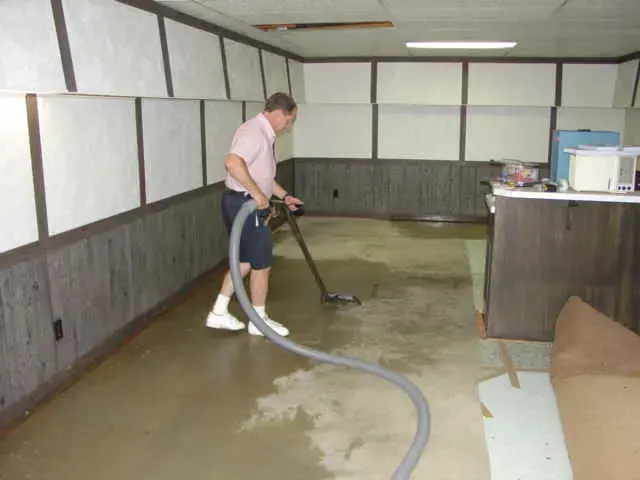
Water Extraction and Removal
Pumps and wands clear standing water from carpet, hard floors and lower levels.
See the service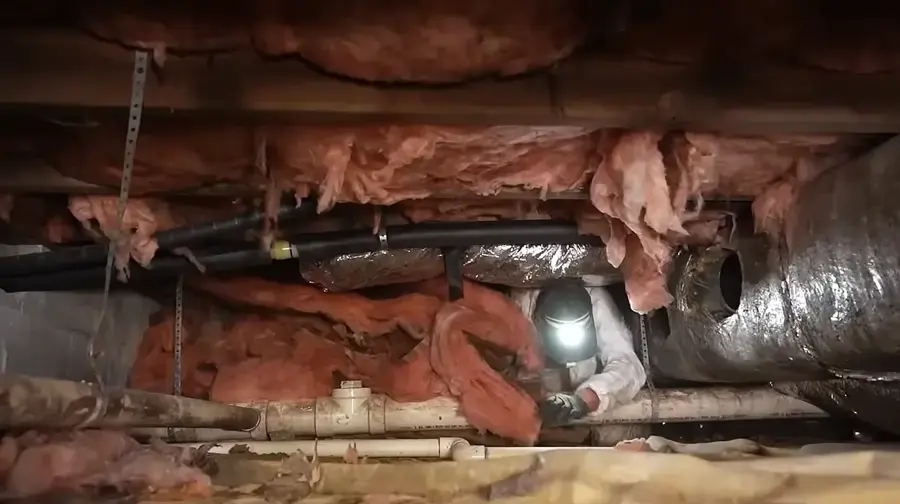
Crawl Space Water Damage
Water under a house removed, soaked insulation pulled and framing dried.
See the service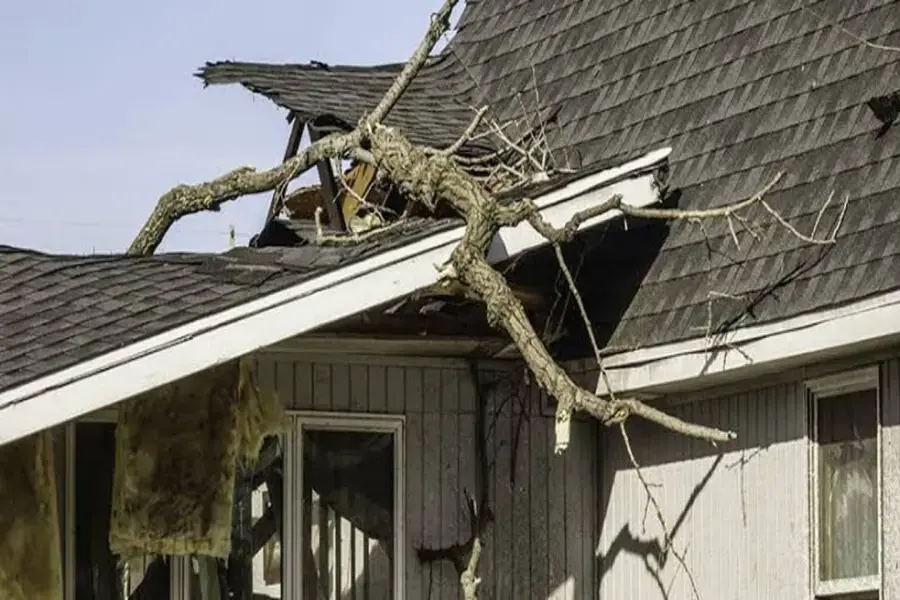
Roof Leak Water Damage
Wind and rain openings covered, attic insulation checked, ceilings dried.
See the service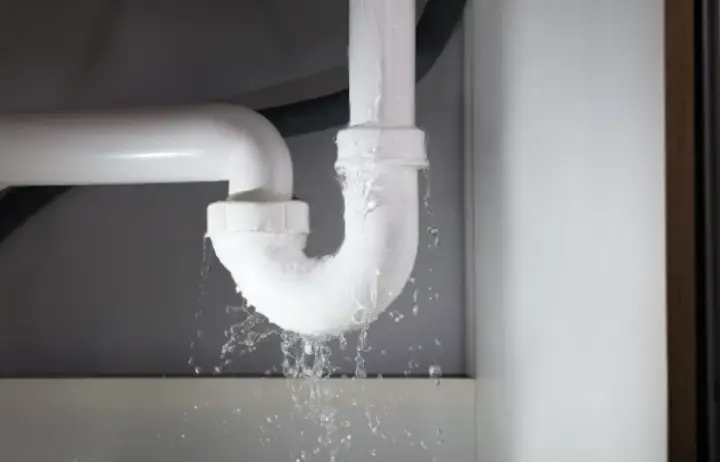
Burst Pipe Water Damage
Broken supply pipes and fittings extracted, wet wall cavities opened and dried.
See the service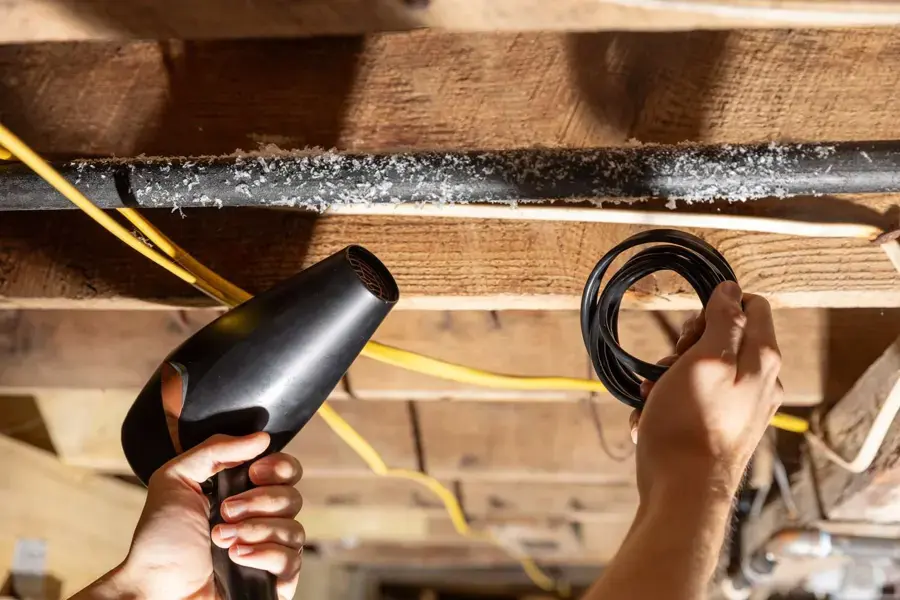
Frozen Pipe Water Damage
Cold-snap splits in exposed pipes traced and dried after the thaw.
See the service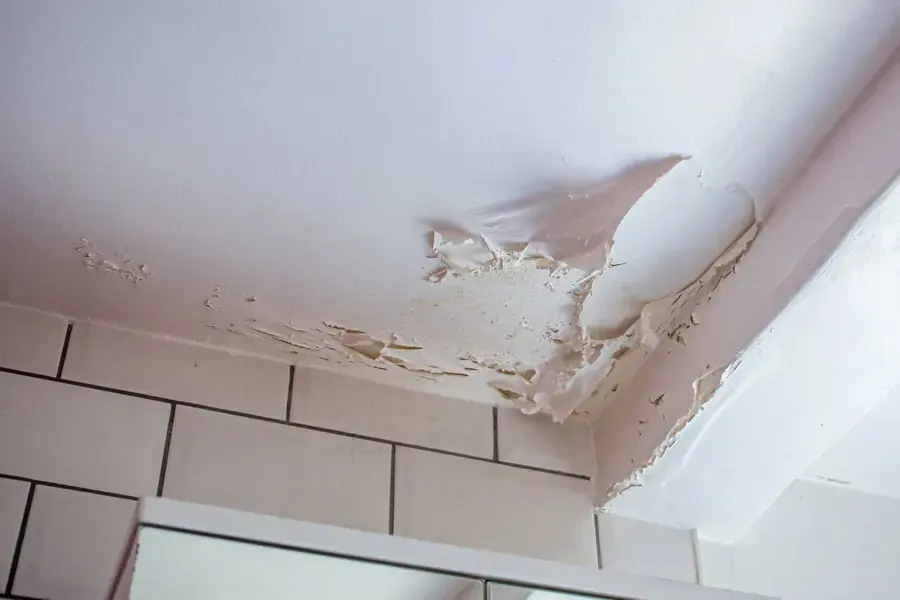
Ceiling Leak Water Damage
Leaks from the unit or bathroom above traced through the ceiling below.
See the service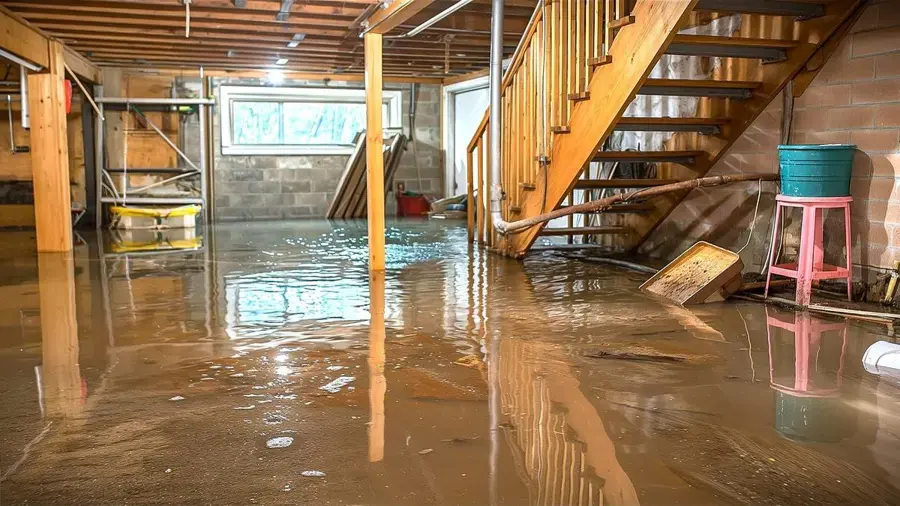
Basement Water Damage
Lower floors on low ground pumped out and dried to the slab.
See the service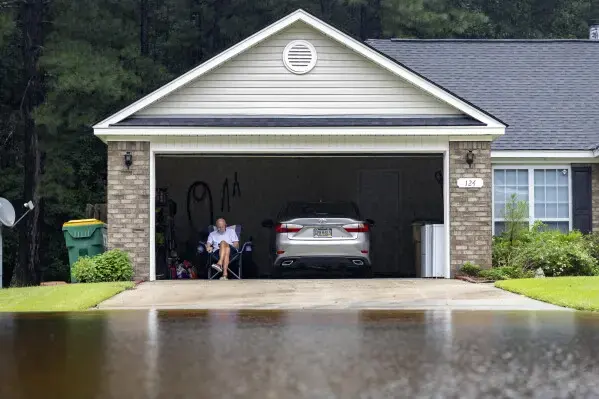
Storm and Runoff Flood Cleanup
River, creek and street runoff treated as Category 3 and removed.
See the service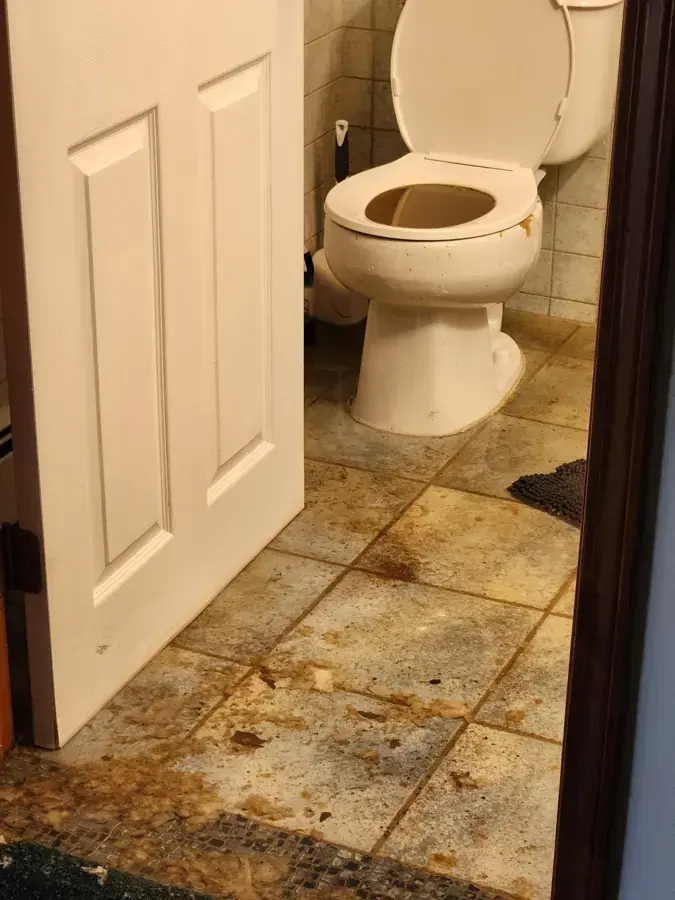
Sewage Backup Cleanup
Backups from a plugged lateral contained, cleaned and disinfected.
See the service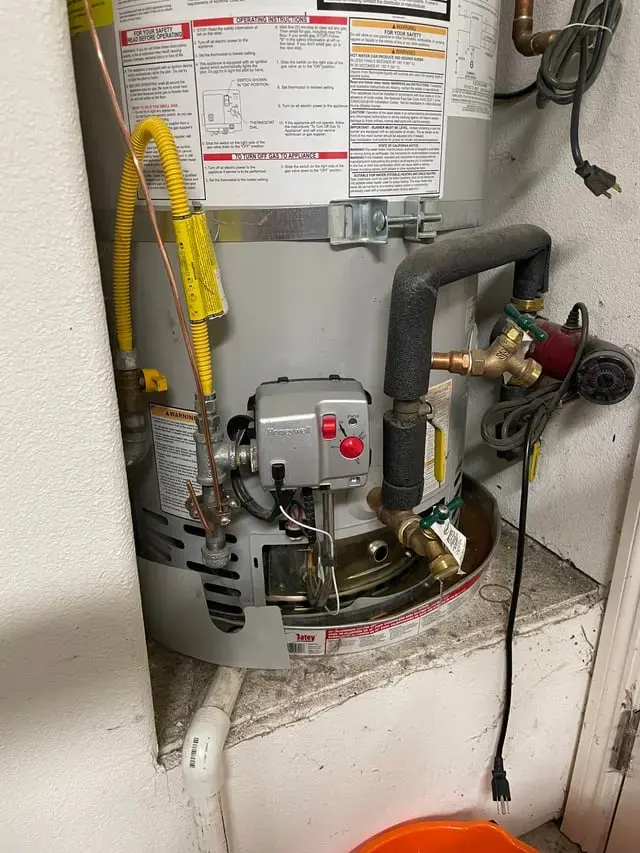
Water Heater Leak Cleanup
Failed tanks and fittings extracted, nearby walls and floors dried.
See the service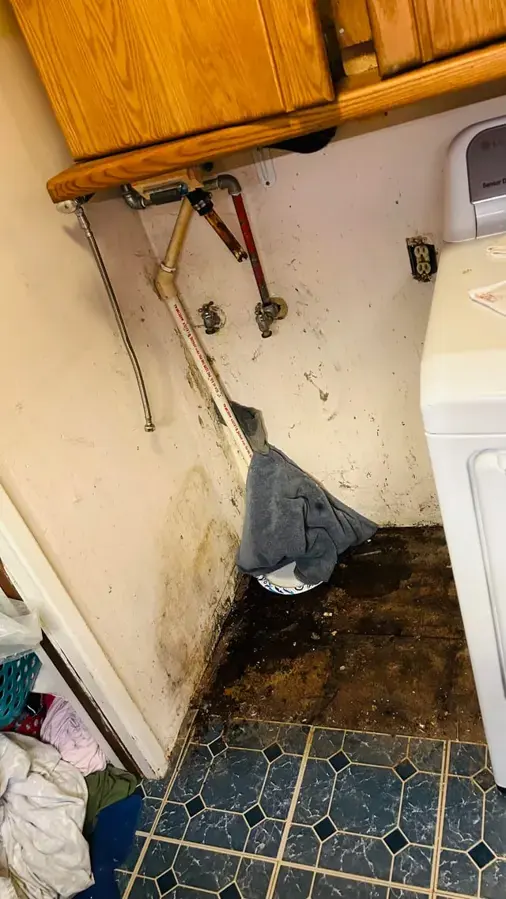
Appliance Leak Water Damage
Washer, dishwasher and ice maker leaks dried, including the neighbor below.
See the service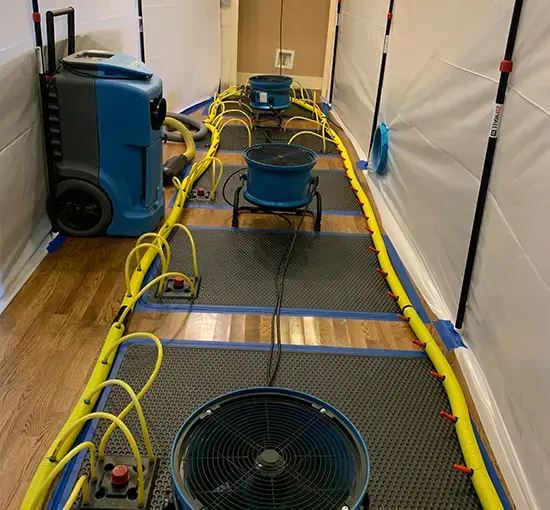
Structural Drying and Dehumidification
Studs, subfloor and cavities dried until readings match a dry reference.
See the serviceWhat does water damage restoration cost in Redmond, WA?
In Redmond, WA, water damage restoration typically runs $1,200 to $35,000. A clean leak found early stays near the bottom; leaks that cross into a second unit, a lower level or sewage push toward the top.
Ranges are typical, never a quote. Water category, area, materials and the time before drying began decide the number. The water damage cost calculator gives a closer range.
Single area, clean water
$1,200 to $4,500
- One or two rooms
- Dried in place
- Readings every day
Several rooms or a unit below
$4,500 to $12,000
- Pad and drywall cuts
- Ceiling drying
- LGR dehumidifiers
Lower level flood or sewage
$12,000 to $35,000
- Category 3 containment
- Flooring removed
- Longer drying
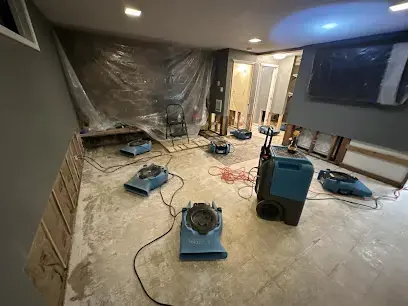
How the Redmond restoration crew handles a water loss
Redmond mixes 1960s and 1970s houses in Sherwood and Bel-Red, a median home built in 1989 and newer apartments and townhomes downtown and in Overlake. In stacked units a leak upstairs becomes the neighbor's ceiling; on low ground near the river it is the lowest floor. The tech who does the walkthrough maps it first.
Rapid local response
Dispatch runs 24/7 across Redmond, and moving water is handled as urgent whatever the hour or day.
IICRC S500 drying standard
Equipment is matched to the class of loss, and framing is dried, not just the surfaces people can touch.
Claim-ready documentation
Moisture maps, daily drying logs and dated photos taken before anything is cut out or removed.
Redmond water know-how
Stacked units, older homes in Sherwood and Bel-Red and low ground by the Sammamish River shape most Redmond losses.
All water damage categories covered in Redmond, WA
Category 1: clean water
A broken supply pipe, a tank or an ice maker connection. Treated early, most carpet, drywall and framing can be dried where they are.
Burst pipe water damageCategory 2: gray water
Washing machine or dishwasher discharge and toilet overflow without waste. Pad is usually pulled and surfaces are treated before drying.
Appliance leak water damageCategory 3: black water
Sewage, river and creek water and street runoff. Anything porous it soaked is cut out and bagged under containment.
Sewage backup cleanupWhat a water damage dry-out looks like in Redmond
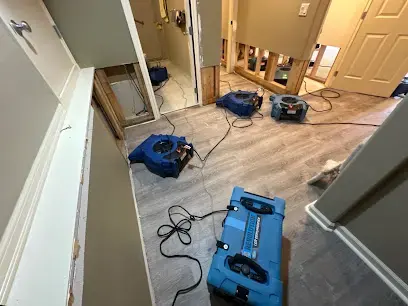
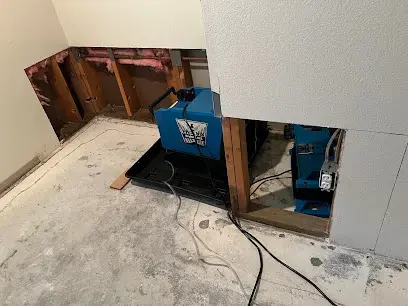
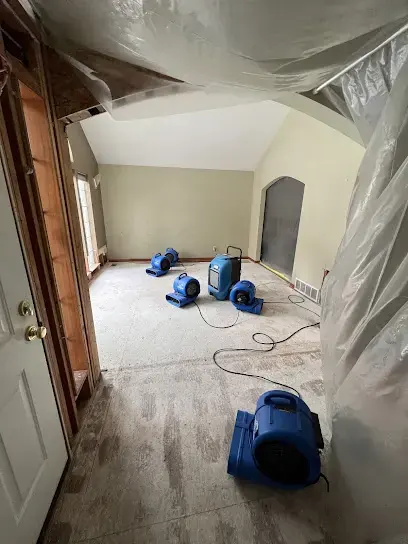
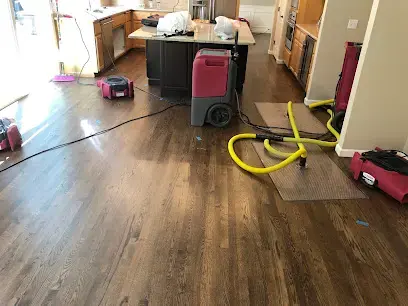
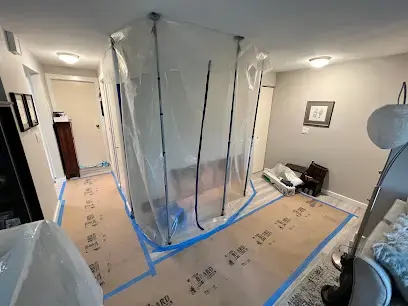
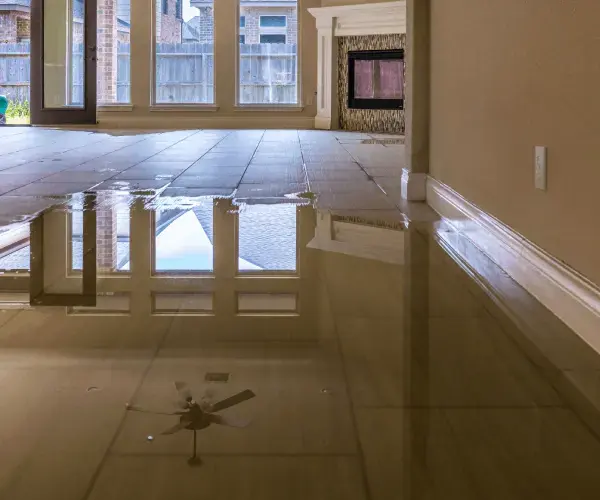
Redmond dry-outs held to the IICRC S500 standard
Dry means a number on a meter, not a floor that feels dry. The drying team reads the wet materials each day and only pulls equipment when they match an unaffected material in the same building.
- Daily drying logs
- LGR dehumidifiers
- Dry reference readings
Measure first
Thermal imaging and pinless meters outline every wet wall, floor and ceiling, including the unit or room directly below the leak.
Pull the water
Truck-mounted and portable extraction removes the bulk of the water, which saves days of running dehumidifiers afterward.
Balance the equipment
Air movers sweep wet surfaces while LGR dehumidifiers take the moisture out of cool, damp Redmond winter air.
Confirm dry
Readings come within 2 to 4 points of the dry reference material before the drying team removes the equipment.
Documentation for your insurance claim
Adjusters decide water claims from the paperwork, not the phone call. A complete Redmond claim file holds these five pieces.
- A first-day moisture map of every wet material, including any unit or room below
- Daily logs of temperature, humidity and material readings until the job is dry
- Dated photos of the source and the damage taken before demolition
- The water category and class of loss that decide what is dried and what is removed
- An itemized, line-item scope of work in the format most adjusters use
Check your own policy
A burst pipe or failed fitting is usually handled as sudden and accidental, while river and surface water fall under flood coverage. Sewer backup often needs a separate endorsement.
Coverage depends on your policy, so check with your own insurer. In a condo or townhome, the association policy may cover part of the building.
Water damage restoration across Redmond and its neighborhoods
Redmond neighborhoods
ZIP codes
Nearby towns
Water damage in Redmond, WA: the local risk profile
Downtown Redmond sits just north of Lake Sammamish, and the Sammamish River runs north along its west edge. Winters are cool and wet, snow is uncommon, and the low ground follows the river and creeks.
- Flood sources: The city names Lake Sammamish, Evans Creek, Bear Creek and the Sammamish River as its main sources of flooding.
- Sammamish River: King County says high river water can affect NE 95th Street and low parts of the Sammamish River Trail and back up into stormwater facilities.
- Storm drains: The city says most Redmond street flooding starts with clogged storm drain grates.
- Sewer laterals: The homeowner owns the lateral to the city main, and the city lists plugged pipes and tree roots as the usual backup causes.
- Housing age: The median Redmond home was built in 1989, with many 1960s and 1970s homes in Sherwood, Bel-Red and southwest Redmond.

Water is coming through my ceiling from the unit above. What first?
Tell the neighbor and the building manager so the source gets shut off, cut power to the light fixtures under the leak and photograph the ceiling. Then call so the ceiling and the unit above can both be checked with meters.
How quickly can a crew reach a Redmond home?
Dispatch works 24/7 and active water is treated as urgent. Timing depends on traffic, weather and how many homes a storm has affected that day.
Who is responsible for a sewer backup in Redmond?
The City of Redmond says the homeowner maintains the lateral from the house to the city main. A plumber clears the pipe; the cleanup crew removes and disinfects what the sewage touched.
What causes most sewer backups here?
The city points to plugged pipes from grease, wipes and paper towels, and to tree roots that grow into the pipe. It also recommends never flushing wipes, even ones sold as flushable.
My street flooded in a storm. Is my lower floor at risk?
The city says most street flooding starts at clogged storm drain grates, so water can pond near driveways and doors. If it gets inside, it counts as Category 3 and porous materials it touched come out.
How long does a typical dry-out take?
A small clean-water loss usually takes three to five days. Hardwood, concrete and leaks that reached a second floor take longer, and readings decide the finish.
Can drywall be saved?
Often, if the water was clean and drying started fast. Swollen or crumbling board, wet insulation and anything Category 3 touched are cut out.
What is the difference between mitigation and rebuild?
Mitigation stops the damage: extraction, removal and drying. Rebuild comes after the readings say dry and puts back drywall, flooring and paint.
Does insurance cover water damage in a condo or townhome?
It depends on both your policy and the association's policy. Sudden pipe failures are often covered while flooding and slow leaks are treated differently, so check with your own insurer.
How is the price worked out?
The water category, square footage, materials and time before drying started set the cost. See the cost ranges or try the drying time estimator.
Water damage in Redmond? Start the drying today.
The longer water sits, the more drywall, pad and insulation end up in the dumpster. The extraction crew removes it and the drying team logs readings until the building is dry.
Sammamish, WA · King County · open 24/7