Water Extraction in Issaquah, WA
Creek overflow or a split pipe can leave a layer of water across a floor, and extraction pulls it out before wet pad, baseboards and wall bottoms absorb more moisture.
(888) 509-1696Get water pumped out in Issaquah- Pump and wand extraction
- Wet pad removal
- Moisture mapped
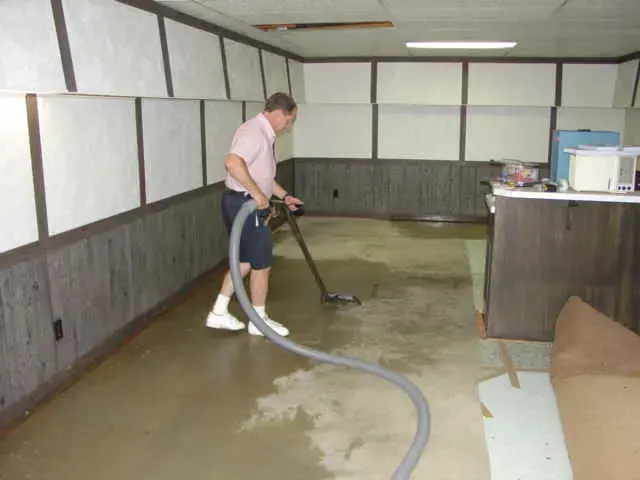
First steps for water extraction and removal in Issaquah
- 1
Stop the flow
Close the main valve if a pipe or tank feeds the water.
- 2
Mind the power
Stay clear of cords and outlets near standing water.
- 3
Lift valuables
Move rugs, books and electronics onto dry surfaces.
- 4
Request extraction
Standing water spreads into walls the longer it sits.
How the crew handles water extraction and removal in Issaquah
In Issaquah, extraction is the first move because water moves fast through a valley home. Pumps and wands remove what is standing, and the crew then checks what the floors, walls and ceilings are still holding.
Water still moving in Issaquah?
(888) 509-1696Get Issaquah water pumped outWhat does water extraction and removal cost in Issaquah, WA?
In Issaquah, water extraction usually runs from $1,200 to $35,000, with the spread driven by how many rooms are wet, whether the water is clean or contaminated, and how much flooring has to be removed.
Ranges are typical, not a quote: the water category, square footage, material class and how fast drying started move the number most. Run the water damage cost calculator for a closer range.
A room or two, clean water
$1,200 to $4,500
- Wand extraction
- Dried in place
- Readings each visit
Wider spread across a level
$4,500 to $12,000
- Pad and trim removal
- LGR dehumidifiers
- Moisture mapping
Gray or creek water
$12,000 to $35,000
- Containment and protective gear
- Porous materials removed
- Extended drying
How water extraction and removal is handled in Issaquah, step by step
Assess
Meters trace where the water has traveled, and the water category is set.
Extract
Pumps and wands lift standing water, and saturated pad comes out.
Dry
Air movers and dehumidifiers are placed to fit the wet areas.
Verify
Readings are compared with dry reference points before equipment leaves.
Why creek valley water needs quick extraction
The city measures Issaquah Creek flooding in four phases, with the January 2009 event as its benchmark, and in February 2020 water spilled onto Front Street and Newport Way. Valley properties can take on water fast, and saturated carpet and pad hold it like a sponge.
The goal is simple: take out every material that cannot dry in place, then let equipment handle the rest.
- Standing water by pump or wand
- Saturated carpet pad
- Wet baseboards and trim
- Debris carried in by floodwater
Tools matched to the water category
Clean water from a tank or washer hose can be extracted with wands and left to dry in place, while gray or creek water calls for containment, protective gear and removal of porous materials. The category is judged on site from the source and the materials it touched.
What happens after the water is out
Extraction does not finish the job, because wet framing and subfloors keep holding moisture. Readings are taken after the pump-out, equipment is placed where the meter shows water remains, and the drying plan is written up for the adjuster. See structural drying in Issaquah for how that stage runs.
Trade fact: Water left under flooring wicks up the bottom of the wall, so extraction that stops at the visible puddle often leaves the wall plates wet.
Water extraction and removal across Issaquah and nearby towns
Extraction crews cover Issaquah Valley, Olde Town, Issaquah Highlands, Talus, Montreux, Newport and the other neighborhoods in ZIP codes 98027 and 98029, from the creek valley floor up to the hillside homes near Squak Mountain.
The same service nearby: water extraction and removal in Sammamish, Bellevue, Redmond.
Related water damage services in Issaquah
Does extraction include drying?
Extraction removes the water that can be lifted. Drying follows as a separate stage with air movers and dehumidifiers until moisture readings match dry reference points.
Can carpet be saved after a clean-water leak?
Often, if the water is clean and the pad is lifted promptly. Carpet contaminated by gray or creek water is usually replaced rather than dried.
What does creek floodwater change?
Issaquah Creek floodwater is treated as Category 3, so containment and protective gear are used and porous materials such as pad and drywall are removed.
How is the amount of water measured?
Moisture meters and thermal checks map where water traveled, because the visible puddle rarely shows how far it has moved into walls.
Should furniture be moved first?
Lifting valuables off wet floors helps, but wet items and rugs should be photographed before they are discarded so the adjuster can see them.
Does an adjuster need extraction records?
Yes, they help. Photos, the water category and notes on what was removed show the insurer what happened and what was done.
Creek water or a pipe break flooding an Issaquah floor? Extraction starts the repair.
Pumps, wands and moisture meters pull standing water out first, then equipment dries the floors and walls until the readings are normal.
Sammamish, WA · King County · open 24/7