Basement Water Damage in Issaquah, WA
Issaquah sits in a creek valley below the Issaquah Alps, so atmospheric river runoff can reach lower floors, and a flooded basement needs pumping, drying and a careful look at what is soaked.
(888) 509-1696Dry the Issaquah basement- Pump-out and slab drying
- Wall cavity drying
- Wet pad removal
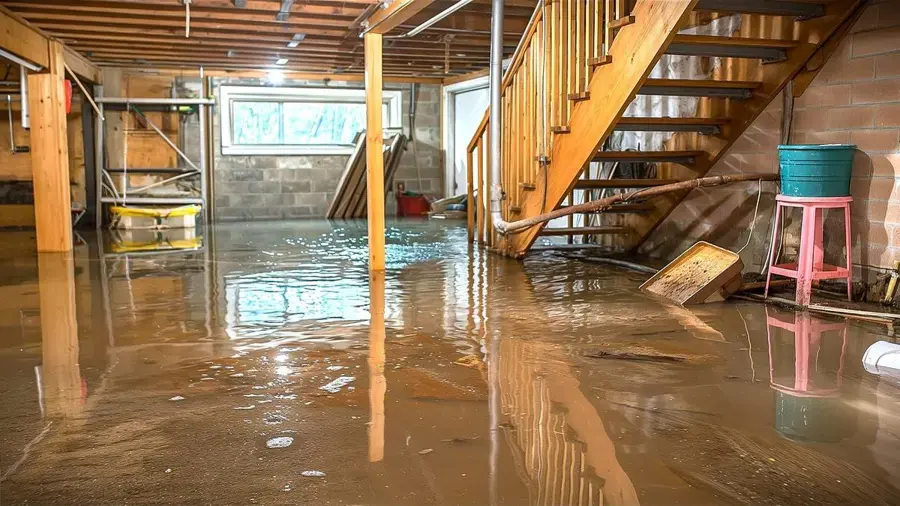
First steps for basement water damage in Issaquah
- 1
Stay off wet floors
Avoid walking through standing water near outlets or appliances.
- 2
Cut the power
Turn off basement breakers if water is near wiring.
- 3
Move items up
Lift belongings and furniture above the water.
- 4
Photograph the height
Take photos of how high the water rose and what it soaked.
How the crew handles basement water damage in Issaquah
A basement collects water from every direction: runoff from outside, a supply pipe overhead or a drain that backs up. Which one it is sets the water category and the whole plan.
Water still moving in Issaquah?
(888) 509-1696Get the basement pumped and driedWhat does basement water damage cost in Issaquah, WA?
In Issaquah, basement water damage typically runs from $2,000 to $35,000, depending on whether the space is finished, how deep the water got and whether it was clean.
Ranges are typical, not a quote: the water category, square footage, material class and how fast drying started move the number most. Run the water damage cost calculator for a closer range.
Unfinished or small space
$2,000 to $6,000
- Pump-out
- Slab drying
- Daily readings
Finished, clean water
$6,000 to $15,000
- Pad removal
- Flood cuts
- Wall cavities dried
Seepage or Category 3
$15,000 to $35,000
- Containment
- Porous materials out
- Longer drying
How basement water damage is handled in Issaquah, step by step
Pump
Standing water leaves the slab and low areas.
Strip
Wet carpet, pad and soaked drywall come out.
Dry
Dehumidifiers and air movers work on slab and wall cavities.
Confirm
Concrete and framing readings are logged until stable.
Runoff from the creek valley
Issaquah Creek and the storm drains near homes carry winter runoff, and the city asks residents to keep nearby drains clear of leaves and debris. When atmospheric river rain overwhelms yards, water can find its way to the lowest floor of a house.
Outside water brings soil and bacteria, so it is treated as Category 3 and removed with containment and protective gear.
Finished versus unfinished basements
An unfinished basement mostly needs pump-out, slab drying and cleaning. A finished one hides water behind carpet, pad, baseboards and drywall, so flood cuts and removal of wet finishes are usual before the wall cavities can dry.
- Carpet and pad lifted
- Baseboards removed
- Flood cuts in drywall
- Slab and studs read
Slab drying takes patience
Concrete releases moisture slowly, so the slab can read wet long after the visible water is gone. Dehumidifiers keep working until readings settle, and the numbers are logged so the adjuster sees why equipment stayed. See structural drying in Issaquah.
Trade fact: A basement that feels dry to the touch can still have wet studs and slab, so meter readings, not appearance, decide when equipment comes out.
Basement water damage across Issaquah and nearby towns
Basement visits cover Issaquah Valley, Olde Town, Newport, Sycamore and North Issaquah, from low valley streets to hillside homes in Talus and Squak Mountain, across ZIP codes 98027 and 98029.
The same service nearby: basement water damage in Sammamish, Bellevue, Redmond.
Related water damage services in Issaquah
Why does a basement stay damp after the water is gone?
Concrete and framing release moisture slowly, so dehumidifiers keep running until meters show the materials are dry.
Is runoff water different from a pipe leak?
Yes. Runoff carries soil and bacteria and is handled as Category 3, while a clean supply leak can often be dried in place.
Do finished walls have to be opened?
Often a small flood cut is enough. It lets air reach the wet insulation and studs without taking the whole wall down.
Can carpet in a basement be saved?
Clean-water carpet can sometimes be dried, but pad is usually removed and runoff-soaked carpet is replaced.
Does keeping storm drains clear help?
The city asks residents to keep nearby storm drains free of leaves and debris, which limits localized flooding around homes.
What does the adjuster need to see?
Photos of the water height, a record of readings and a list of removed materials make the claim easier to follow.
Flooded lower level or damp walls in Issaquah? Start with a moisture check.
Pump-out, removal of wet finishes and dehumidifier drying bring slab and studs back to dry readings.
Sammamish, WA · King County · open 24/7