Water Extraction in Bellevue, WA
When water pools on carpet, hardwood or tile in Bellevue, pumps and wands pull it out first so drying can start on the pad, subfloor and walls underneath before it spreads further.
(888) 509-1696Talk to a Bellevue extraction crew- Wand extraction
- Pad and carpet lifting
- Moisture mapping
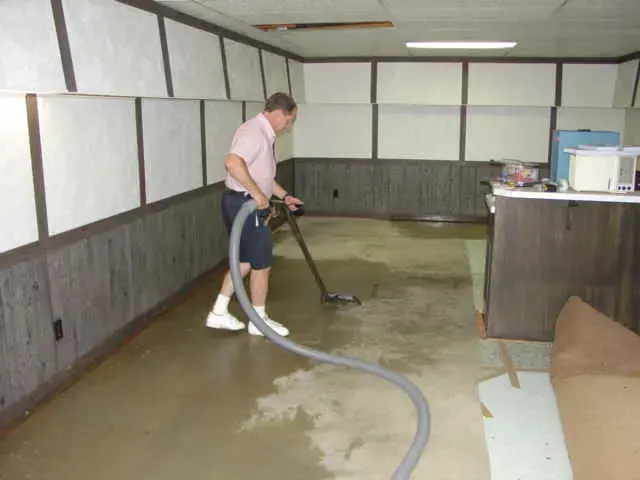
First steps for water extraction and removal in Bellevue
- 1
Stop the source
Close the fixture valve or the main so water stops feeding the floor.
- 2
Lift what you can
Move rugs and electronics clear of the wet area.
- 3
Skip the vacuum
A household vacuum is not safe on wet floors or standing water.
- 4
Call for extraction
A crew brings pumps and meters to pull water and read the structure.
How the crew handles water extraction and removal in Bellevue
Extraction comes before any drying plan in Bellevue, because water left on a floor keeps wicking into pad, baseboard and wall bottoms. Removing it fast limits how much material has to be torn out.
Water still moving in Bellevue?
(888) 509-1696Call a Bellevue extraction crewWhat does water extraction and removal cost in Bellevue, WA?
Extraction pricing in Bellevue follows the area that is wet, the water category and how much material has to come out. A condo and a house are priced the same way, by scope.
Ranges are typical, not a quote: the water category, square footage, material class and how fast drying started move the number most. Run the water damage cost calculator for a closer range.
One or two rooms, clean water
$1,200 to $4,500
- Carpet and pad extraction
- Drying in place
- Daily readings
Several rooms or two levels
$4,500 to $12,000
- Pad and baseboard removal
- Wall cavity drying
- LGR dehumidifiers
Category 3 or a flooded lower level
$12,000 to $35,000
- Containment
- Flooring and drywall removed
- Extended drying
How water extraction and removal is handled in Bellevue, step by step
Assess
Meters and a camera map which floors and walls hold water.
Extract
Pumps and wands pull standing water, and wet pad is lifted out.
Open up
Baseboard or drywall is cut only where moisture will not leave.
Dry
Equipment runs until daily readings match a dry reference.
Houses, condos and apartments
The city's 2015 housing data counted about 61,128 units, 51 percent in multi-family structures and 49 percent in single-family ones, so extraction work ranges from a ground floor house to a unit with neighbors on several sides. Crews adjust equipment and access to suit the building.
- Wet carpet and pad lifted and removed
- Hard floors cleared with a squeegee and wand
- Water traced into wall cavities and under cabinets
- Contents moved or blocked before drying starts
What happens after the water is gone
Pulling surface water does not make a floor dry. Moisture meters and a thermal camera show what is still wet, and pad, baseboard or drywall that cannot recover in place is cut out.
Everything left behind goes to dehumidifiers and air movers under a structural drying plan, with daily readings guiding each adjustment.
When rain or sewage is involved
Rain is frequent in Bellevue from October to May, and storm or drain water counts as contaminated. Extraction then comes with containment, removal of porous materials and sanitizing, as covered in sewage backup cleanup in Bellevue.
Trade fact: Wet carpet can often be saved when the water is clean and removal starts quickly, but the pad underneath usually cannot be.
Water extraction and removal across Bellevue and nearby towns
Extraction crews work throughout Bellevue, from Downtown and Wilburton/BelRed to Lake Hills, Crossroads and Eastgate/Factoria, including houses, condos and apartment buildings, with every neighborhood across King County handled the same way.
The same service nearby: water extraction and removal in Sammamish, Redmond, Issaquah.
Related water damage services in Bellevue
How is extraction different from drying?
Extraction removes liquid water from surfaces and absorbed pad. Drying then pulls moisture out of framing and subfloors with dehumidifiers and air movers.
Can wet carpet be saved?
Often, when the water is clean and removal starts quickly. The pad underneath is usually replaced, and gray or black water means the carpet goes too.
Do condos and apartments need different handling?
Yes. Units share floors, ceilings and plumbing, so crews check neighboring walls and ceilings and keep the building manager informed.
Is rainwater clean water?
No. Runoff and storm water pick up soil and contaminants, so they are treated as contaminated and handled with containment and sanitizing.
What does the adjuster need?
Dated photos, moisture readings, an equipment log and an itemized scope of what was removed.
Should I run a wet vacuum myself?
Small spills are fine. Larger volumes belong to pumps, because household vacuums are not made for standing water or electrical safety.
Get the water out of your Bellevue home before it sets in
Crews pump, lift and open up only what is needed, then log daily readings until the structure tests dry.
Sammamish, WA · King County · open 24/7