Basement Water Damage in Duvall
On hillside lots where the soil stays saturated through the wet season, water can find its way into a lower level. The crew pumps it out and dries the slab, walls and finishes.
(888) 509-1696Dry out a lower level- Pump-out
- Slab and wall drying
- Finish removal
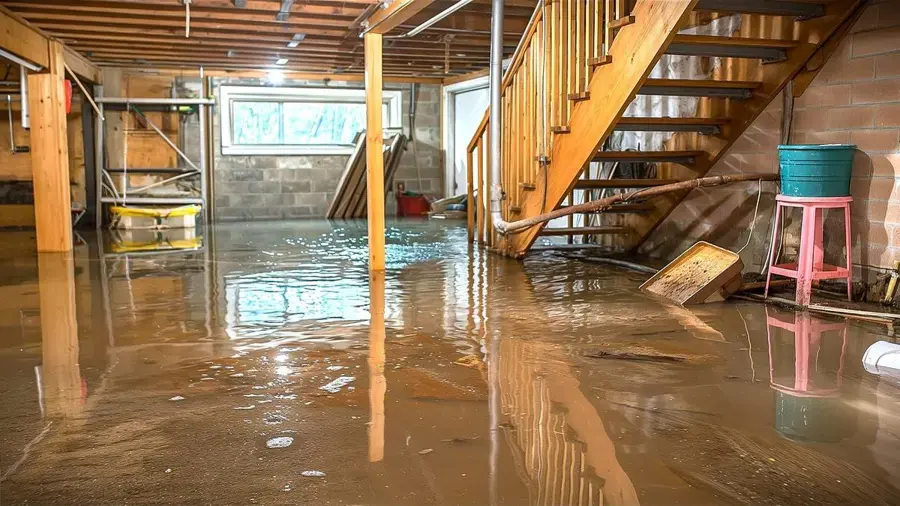
First steps for basement water damage in Duvall
- 1
Stay off the stairs
Avoid wet stairs and standing water near panels or outlets.
- 2
Cut the power
Turn off basement circuits if they are reachable safely.
- 3
Stop inflow
Close the main if a pipe is the source.
- 4
Call for pumping
Dispatch sends pumps and drying gear.
How the crew handles basement water damage in Duvall
Water in a lower level has nowhere to drain, so it sits against carpet, wall bottoms and the slab. The quicker it is pumped out, the less of the finish work has to be torn out.
Water still moving in Duvall?
(888) 509-1696Send pumps to the lower levelWhat does basement water damage cost in Duvall, WA?
Basement jobs run $2,000 to $35,000, with a small unfinished area at the low end and a finished level with seepage or Category 3 water at the high end.
Ranges are typical, not a quote: the water category, square footage, material class and how fast drying started move the number most. Run the water damage cost calculator for a closer range.
Unfinished or small
$2,000 to $6,000
- Water pumped out
- Slab dried
- Daily readings
Finished, clean water
$6,000 to $15,000
- Pad removed
- Flood cuts made
- Wall cavities dried
Seepage or Category 3
$15,000 to $35,000
- Containment built
- Porous items removed
- Extended drying
How basement water damage is handled in Duvall, step by step
Source
Identify whether seepage, runoff or a failed pipe caused the water.
Pump and remove
Clear the water and strip wet finishes.
Dry
Dehumidify the slab, walls and framing with LGR units.
Verify
Confirm readings against the dry reference.
Hillside soil and wet seasons
Hillside lots and saturated soils keep the ground wet through the long rainy season, and that water can push toward a foundation and seep into a lower level. The source is traced before drying starts, since a pipe failure and seepage need different handling.
Basement jobs also follow the water extraction steps for pumping and removal.
- Water depth and source
- Carpet, pad and wall finishes
- Slab and wall moisture
- Sump or floor drain condition
What gets removed from a finished level
Carpet pad and bottom drywall are the first to go, because they wick water and hold it. Flood cuts are made above the water line, and hard surfaces are cleaned before dehumidifiers and air movers run.
If the water came from a sewer or river, the level is contained and porous finishes are discarded.
Drying concrete and framing
Concrete releases moisture slowly, so drying a slab takes patience and daily readings. Structural drying readings show when the slab, walls and framing reach the dry reference.
Trade fact: A concrete slab can look dry while it still releases moisture that damages new flooring.
Basement water damage across Duvall and nearby towns
Lower level water damage is handled across Duvall, including hillside homes around Big Rock, The Ridge at Big Rock and Taylor Heights. The Duvall hub lists related services, and storm and flood cleanup covers river events.
The same service nearby: basement water damage in Sammamish, Redmond, Kirkland.
Related water damage services in Duvall
Why does a Duvall lower level take on water?
Hillside lots, saturated soil and heavy rain can push water against a foundation, and a pipe or appliance failure can add to it.
Does the carpet have to come out?
Pad usually does. Carpet from clean water can sometimes be saved, but contaminated water means it goes.
How long does a slab take to dry?
Concrete releases moisture slowly, so readings over several days show when it is truly dry, not how it looks.
Can the water be from the river?
River flooding is rated low for city structures, but rain and runoff are real sources, and river water is handled as contaminated.
Does insurance pay for basement water?
It depends on the cause. Sudden pipe failures are often covered while seepage and flooding may not be, so the carrier confirms.
Should a sump pump be checked?
Yes. A failed pump can let water return after cleanup, so its condition is part of the visit.
Get the lower level pumped out and dried
The crew removes the water, strips wet finishes, dries the slab and walls and logs readings for the claim.
Sammamish, WA · King County · open 24/7