Crawl Space Water Damage in Duvall
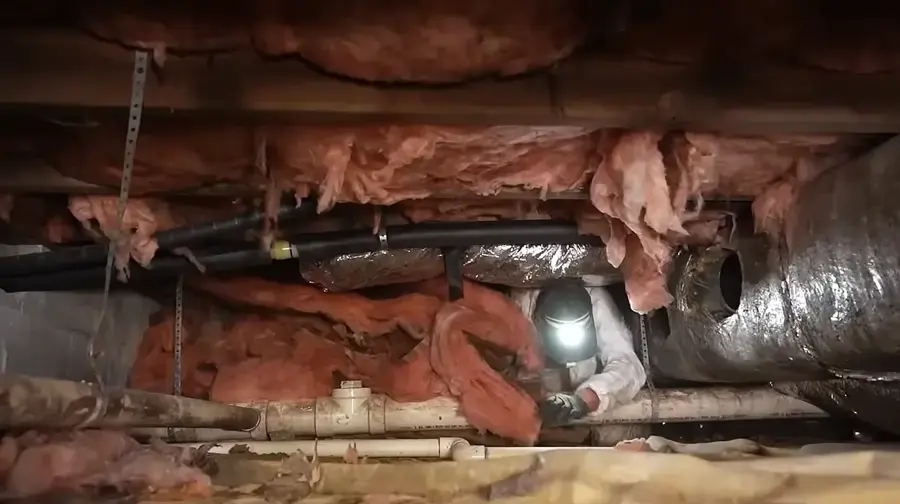
When the ground around a Duvall home stays saturated through the wet season, water can collect beneath the floor. The crew pumps it out, removes soaked insulation and dries the joists.
(888) 509-1696Book a crawl space dry-out- Water pump-out
- Wet insulation removal
- Joist moisture readings
First steps for crawl space water damage in Duvall
- 1
Stay out
Do not enter a flooded crawl space with wiring or ducts in the water.
- 2
Shut the main
Close the water main if a pipe is running under the house.
- 3
Sniff for odors
A foul odor means contamination, so avoid touching the water.
- 4
Call for drying
Dispatch sends pumps and moisture meters.
How the crew handles crawl space water damage in Duvall
A crawl space is out of sight, so water there often runs for a while before anyone notices it. In Duvall, hillside runoff and saturated soil in the wet season are the usual suspects, along with leaks from the pipes in the floor above.
Water still moving in Duvall?
(888) 509-1696Send a crawl space crewWhat does crawl space water damage cost in Duvall, WA?
Crawl space jobs usually cost $1,500 to $20,000, and the number moves with the depth of the water under the house, how much insulation is soaked and whether the water is clean or contaminated.
Ranges are typical, not a quote: the water category, square footage, material class and how fast drying started move the number most. Run the water damage cost calculator for a closer range.
Pump-out and light drying
$1,500 to $4,000
- Standing water pumped out
- Air movers and dehumidifier set
- Readings each day
Wet insulation and barrier
$4,000 to $9,000
- Soaked batts cut out
- Torn vapor barrier removed
- Joists dried in place
Runoff or long-term water
$9,000 to $20,000
- Contaminated water protocol
- Antimicrobial treatment
- Longer drying
How crawl space water damage is handled in Duvall, step by step
Inspect
Find the entry path and measure water depth and joist moisture.
Pump out
Remove standing water and bag soaked insulation.
Dry the framing
Set dehumidifiers and air movers under the floor.
Verify
Compare joist readings with a dry reference before pulling equipment.
Why crawl spaces collect water here
The city plan names steep slopes, saturated soils and glacial sediments as drivers of landslide risk, and that same wet ground sits against foundations through the rainy months. Water that cannot drain away looks for the lowest point, and a crawl space is often it.
The first visit looks for the entry path, the standing water depth, any smell that suggests sewage and the condition of the ground.
- Standing water depth and extent
- Insulation and vapor barrier condition
- Joist and subfloor moisture
- Ductwork and wiring below the floor
Pump-out, removal and drying
Pumps clear the water first. Soaked batts are cut out and bagged because wet insulation holds moisture against the joists, and torn or pooling vapor barrier is cut back so the ground and framing can dry out together.
Dehumidifiers and air movers then run, with readings on the joists and subfloor tracking progress. See structural drying for how that stage is measured.
When the water is not clean
Runoff that crosses yards and driveways carries soil and bacteria, and a sewage smell changes the job. In those cases the work follows sewage backup cleanup procedures, with removal of porous materials and antimicrobial treatment before drying.
Trade fact: A crawl space can hold high humidity long after the standing water is gone, so drying continues until the framing readings match a dry reference.
Crawl space water damage across Duvall and nearby towns
Crawl space crews work throughout Duvall, including Big Rock, The Ridge at Big Rock, Cherry Valley and Taylor's Ridge. Related water losses are listed on the Duvall hub, and water extraction often comes first.
The same service nearby: crawl space water damage in Sammamish, Redmond, Kirkland.
Related water damage services in Duvall
Why does a Duvall crawl space get wet?
Saturated soil and hillside runoff in the wet season push water toward the foundation, and a leaking pipe above can add to it.
Does wet insulation have to come out?
Usually yes. Soaked batts hold water against the joists and dry very slowly, so they are cut out and replaced after the space dries.
Is a musty smell a sign of damage?
It can be. A damp odor points to lingering moisture, so readings on the joists and subfloor show whether drying is complete.
Can crawl space water affect the floors above?
Yes. Moisture moves up into the subfloor and can cup hardwood or loosen flooring, so the framing is measured, not just the floor.
Does the vapor barrier get replaced?
Torn or soaked barrier is cut out during drying and replaced once the space is dry, which is a separate step from the water damage work.
What if sewage is in the crawl space?
The area is treated as contaminated, so porous materials are removed and the framing is cleaned and treated before drying equipment is set.
Pump the crawl space out and dry the joists
The crew removes standing water and wet insulation, dries the framing from below and records the readings for the claim file.
Sammamish, WA · King County · open 24/7