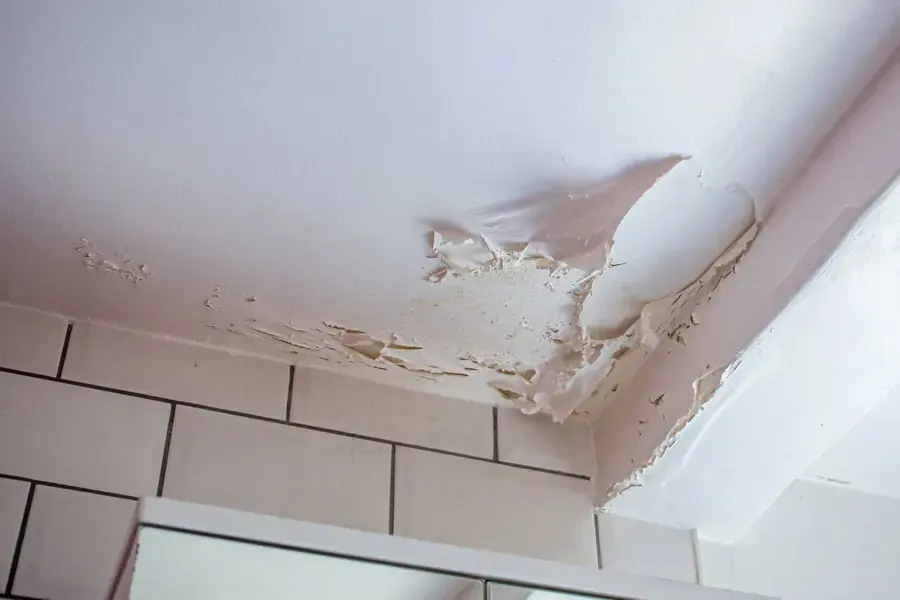
In a building with shared floors, a leak upstairs becomes a problem for the unit below. Bellevue has a lot of buildings like that: the city's 2015 data put 51 percent of its housing units in multi family structures. This post is for the resident whose ceiling is wet from a neighbor above, and it covers documenting the damage, notifying the right people and the difference between repairing the source and drying the unit.
Key takeaways
- The city's 2015 data put 49 percent of Bellevue housing in single family structures and 51 percent in multi family structures.
- In 2015 about 53 percent of households owned their home and 47 percent rented, so many residents share walls and floors.
- Photograph the damage and tell the property manager or association right away.
- Repairing the leak source is a different job from drying the wet unit, and both are needed.
- Downtown Kirkland and Moss Bay have thousands of condos and apartments largely built since the 1990s, with the same pattern.
Why multi family leaks travel
Bellevue had about 61,128 housing units in the city's 2015 data. About 49 percent were in single family structures and 51 percent were in multi family structures.
In 2015 about 53 percent of households owned their home and 47 percent rented. Those figures are the city's 2015 numbers, but they show how many people share walls, floors and ceilings.
Water follows gravity. A leak in one unit goes down through the floor, along joists and pipe chases, and into the unit below.
- Shared floors and ceilings carry water to the unit below.
- Pipe chases and wall cavities let water travel between floors.
- A leak in one unit can reach several units on the way down.
First steps in the wet unit
Safety comes first. Water near ceiling lights and outlets is a shock risk, so turn off power to the affected room at the panel if it is safe to reach.
Catch drips, move belongings and keep people away from a bulging ceiling. A sagging ceiling can release a lot of water at once.
- Turn off power to the wet room if the panel is dry.
- Move furniture, rugs and electronics away from the wet area.
- Put a bucket under active drips and keep people out from under a bulge.
- Photograph and video the ceiling, walls and floor right away.
Documenting belongings and finishes
A list of damaged items makes the claim and the conversation with the manager easier. Photograph each item where it stands before it is moved.
Write down what the item is, roughly how old it is and where it was in the room.
- Furniture, rugs and electronics near the wet ceiling
- Paint, trim and flooring finishes
- Items already moved or thrown out, with photos of them
- Notes on any odor or visible discoloration
Talking to the neighbor and the manager
Contact the property manager or the association as soon as the water is seen. They can shut off the building's water to the source unit and arrange access.
A friendly knock on the neighbor's door can also help, because the neighbor may not know the leak exists. If the unit above is empty, the manager can enter.
What to tell them
A short message with the facts speeds up the response.
- Which room and which ceiling area is wet
- When the water was first seen
- Whether it is still dripping
- That photos have been taken
What to keep
Keep a written record of who was told and when.
- Dates and times of messages
- Names of the people contacted
- Copies of any notice sent
What a property manager can do
A manager can shut off water to the source unit, arrange access and send a plumber. Those steps stop the water, which is the first priority.
A manager can also say whether the building has insurance that covers shared elements, though the unit below may still need its own claim.
- Shut off the water to the unit above.
- Arrange access if the unit above is empty.
- Send a plumber to find and fix the source.
- Issue an incident report that records the date and the cause.
Why the unit below should not wait
It is tempting to wait until the repair above is finished. But the ceiling and joists below keep soaking up water, and every day of delay makes drying harder.
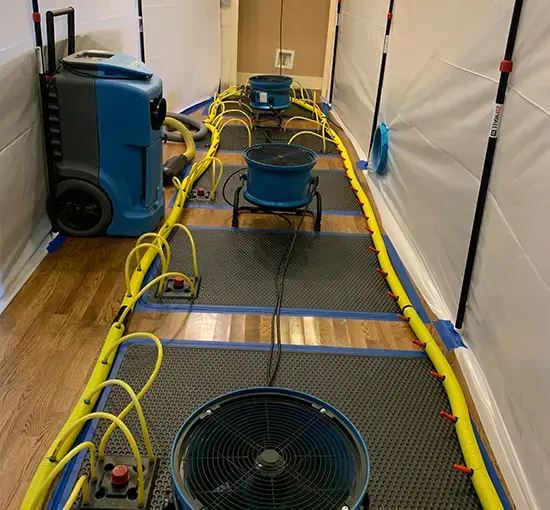
Drying can start as soon as the source is stopped. Extraction, ceiling cuts and air movers can run while the repairs upstairs are still being arranged.
Source repair is not the same as drying
Two different jobs follow a leak. One is stopping the water at the source, such as replacing a hose or a supply pipe.
The other is drying everything the water touched.
A plumber or the neighbor's repair covers the source. A ceiling leak water damage response in Bellevue handles the wet drywall, insulation and framing in the unit below.
- Source repair: fixes the hose, valve or fixture that leaked.
- Extraction: removes standing water from floors below.
- Drying: opens wet ceilings and dries joist bays with meters.
- Appliance checks: a failed dishwasher or washer upstairs is a common source.
Common upstairs sources
Most upstairs leaks come from a short list of sources. Knowing it helps the person below describe the damage clearly.
A dishwasher, a washer and a water heater are the usual suspects, and a toilet supply or a bathtub overflow is close behind.
- Washer hoses and drain connections
- Dishwasher supply and drain hoses
- Water heater tanks in a closet
- Toilet and sink supply connections
- Tub overflows and shower pans
The same pattern in Kirkland condos
Downtown Kirkland and the Moss Bay neighborhood have thousands of condominiums and apartments, largely built since the 1990s. Water can travel between floors there just as it does in Bellevue.
Ceiling leak water damage in Kirkland follows the same steps: find the source, open what is wet and dry it with readings.
Records, insurance and appliance leaks
Who pays depends on the policy, the building rules and the cause, and it is best settled in writing. Good photos help every conversation.
Many upstairs leaks start with an appliance. An appliance leak in Bellevue is often a washer hose or a dishwasher hose that failed.
- Photograph every wet surface and damaged item.
- Keep receipts for emergency steps and cleanup.
- Ask the manager for an incident report.
- Read the policy wording on water damage from another unit.
Questions
How common are multi family homes in Bellevue?
The city's 2015 data put 51 percent of Bellevue housing units in multi family structures and 49 percent in single family structures.
Who should be told first when a ceiling is wet from the unit above?
The property manager or association should be told right away, and the neighbor above if possible.
Is fixing the leak enough?
No. The source repair stops new water, but the wet drywall, insulation and framing still need to be dried.
Does this happen in Kirkland too?
Yes. Downtown Kirkland and Moss Bay have thousands of condos and apartments largely built since the 1990s.
Where can Bellevue residents see the water services in the city?
The Bellevue page lists them.